How to Choose a Body Moisturizer That Actually Repairs Your Skin Barrier
As NBC News reports, dry skin season is about to test every barrier on your body.
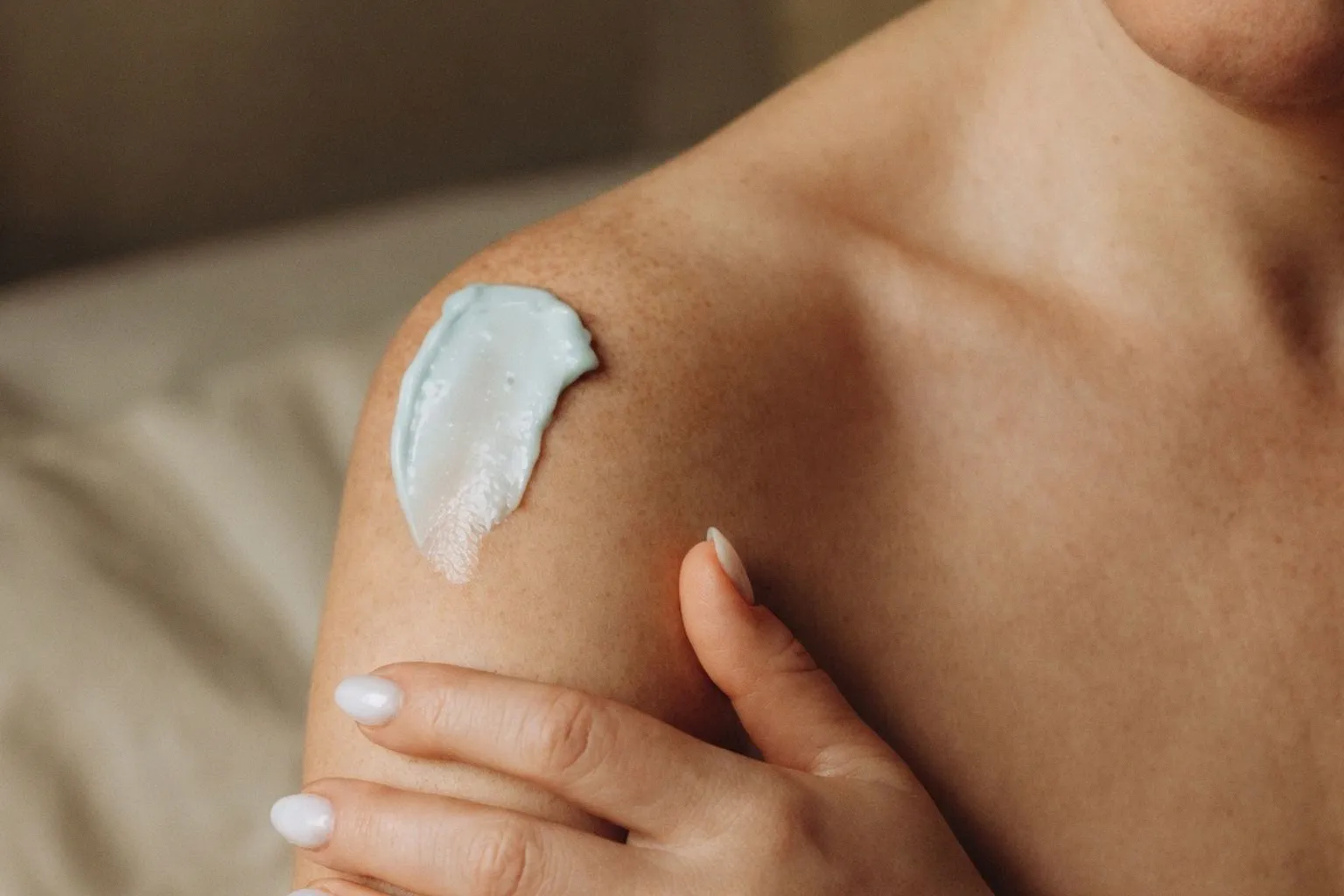
Board-certified dermatologists are flagging the same core problem: most lotions soften the surface for a minute, then evaporate, leaving the barrier cracked and exposed. Your job is to seal the thing, not perfume it.
The Mechanical Failure Nobody Sees
Board-certified dermatologist Dr. Hadley King told NBC News that a quality lotion has to do more than coat the surface — it has to lock in moisture and support the skin barrier, the outermost layer that holds water in and junk out. When that barrier is compromised, skin becomes vulnerable to damage, dryness, irritation, inflammation, and infection. That's not a spa problem. It's a mechanical failure, and it worsens the moment cold air and indoor heat start pulling humidity out of the room.
The fix isn't a thicker blob. The fix is ingredients that rebuild the barrier while water is still on the skin.
What to Read on the Label
From dermatologist guidance cited by NBC News, here's where to focus:
- Ceramides. Lipids your barrier is built from. When they're stripped, the wall cracks. A lotion with ceramides slots the bricks back in.
- Hyaluronic acid. Pulls water into the upper layer of skin and holds it there. Without it, your hydration slips off by lunchtime.
- Glycerin and shea butter. Old-school emollients that soften and seal. Glycerin pulls moisture in; shea butter locks it down.
- Niacinamide. A quiet multitasker that supports repair and strengthens the barrier over time.
- Hemp seed oil. A botanical carrier oil rich in fatty acids that mimics the skin's own lipids. Smooth, non-greasy, easy on reactive skin.
Fragrance-free formulas are the safer bet if your skin is already flaking or reactive. Skip the long ingredient lists with parfum stacked at the bottom — that's scent, not repair.
The Lotions Doing the Work — And Your Daily Schedule
Dermatologist-recommended options worth the shelf space:
- La Roche-Posay combines ceramides, shea butter, glycerin, niacinamide, and hyaluronic acid. It comes recommended by Dr. Shoshana Marmon, a board-certified dermatologist and assistant professor at New York Medical College.
- Eucerin Advanced Repair runs on ceramides, has a thicker consistency, leaves no greasy residue, and is fragrance-free.
- Hempz leans on hemp seed oil and shea butter, with a subtle coconut scent.
- Vanicream keeps the ingredient list minimal, no fragrance, and holds up on eczema-prone skin.
You don't need a six-step ritual. You need a routine you actually follow.
1. Right after the shower. Skin is damp, pores are open. Apply within three minutes of drying off to trap the water in.
2. Before bed. Skin repairs itself overnight. Give it the raw materials.
3. Mid-day if you're washing hands constantly or working in dry heat. Sixty seconds of friction with a travel-size tube beats an hour of cracking.
Run that loop every day for two weeks. If the flaking doesn't back off, the barrier needs more than a lotion — see a dermatologist. Otherwise, keep the cadence consistent. The skin doesn't care about your philosophy. It cares whether you showed up today.