Bar Soap vs. Body Wash: Dermatologist Insights on Modern Cleansing
That tight, almost squeaky feeling after stepping out of the shower — the one where your skin seems to shrink a layer, pulling and itching before you've even reached for your body butter — is…
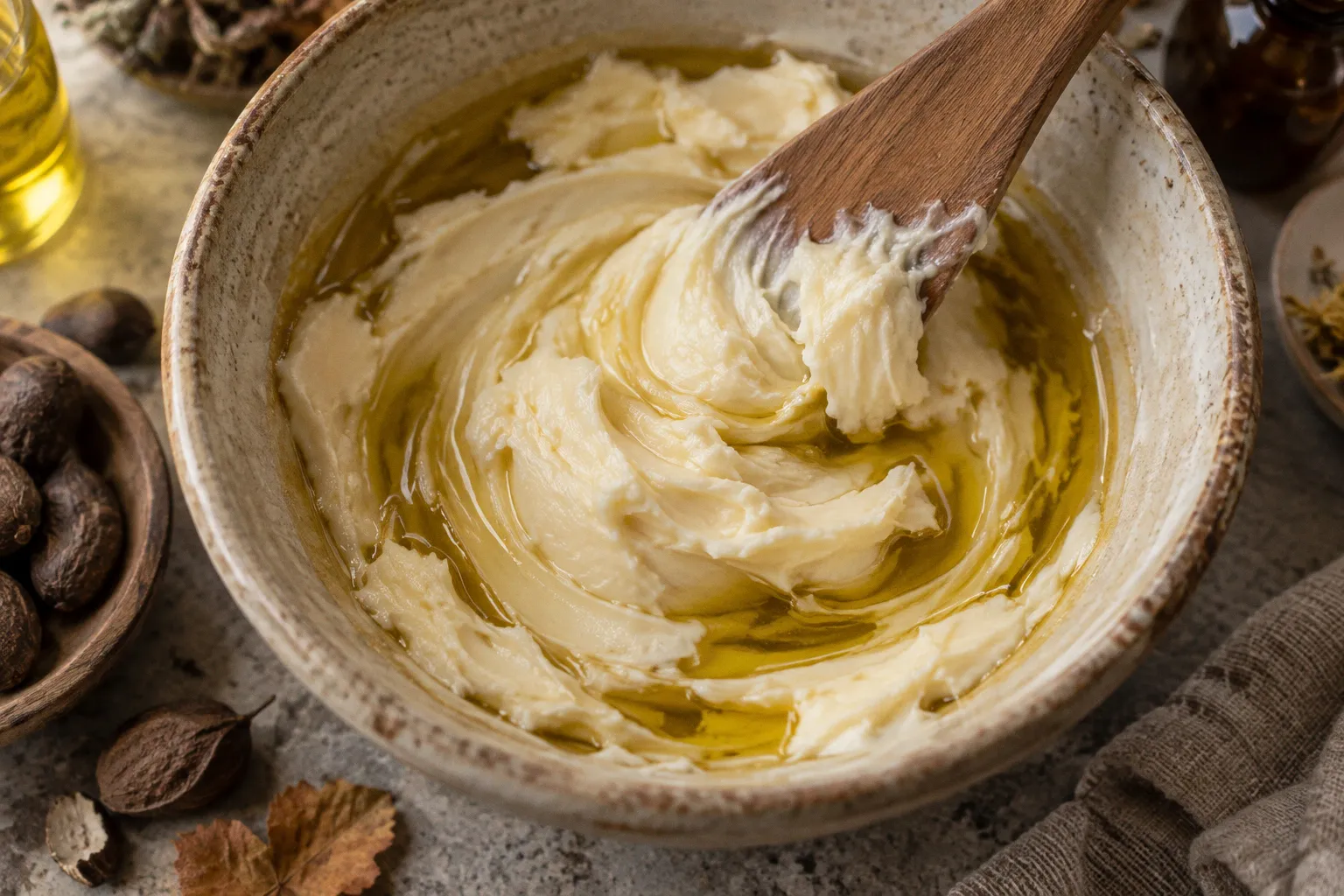
That tight, almost squeaky feeling after stepping out of the shower — the one where your skin seems to shrink a layer, pulling and itching before you've even reached for your body butter — is precisely the complaint that sent an NBC News reporter running from bar soaps for years. According to reporting by NBC News, those old formulations were often the real culprit: many bar soaps carried unbalanced pH levels that disrupted the skin's naturally acidic mantle. As Dr. William Huang, a board-certified dermatologist and adjunct professor at Duke University, noted in the piece, brands have been quietly adjusting their formulas, and the category is no longer the dehydration risk it once was.
What changed in the bar
The shift comes down to two things: pH and lipid content. Traditional bar soaps sat at a higher pH than the skin's surface, which is naturally slightly acidic. That gap disrupted the barrier, let water escape, and left behind that stretched, papery sensation. Newer formulations bring the pH closer to skin-friendly territory and, crucially, load the bar itself with emollient ingredients — moisturizing cream, olive oil, argan oil, ceramides — so each wash deposits lipids rather than stripping them away.
When I'm blending in the studio, I read a bar soap label the same way I read a carrier oil: I'm looking at the lipid profile first. If the second or third ingredient is a hard fat or a harsh surfactant with no compensating oil or butter, that bar will pull more moisture out than it puts back. A formula that lists a plant oil, a fatty acid, or ceramide precursors near the top of the ingredient deck is a fundamentally different product from the bars many of us grew up avoiding.
Reading the bar like a blend
Think of a good cleansing bar the way you'd think of a facial oil blend — primary, secondary, and trace. The primary surfactants do the work of lifting dirt and excess sebum, but they should be balanced by secondary emollients (shea butter, olive oil, ceramides, hyaluronic acid) and trace soothing agents (colloidal oatmeal, allantoin, or chamomile for those who tolerate botanical fragrance). The synergy is what separates a cleansing bar from a detergent strip.
Dr. Maya K. Thosani, a board-certified dermatologist at Modern Dermatology in Scottsdale, Arizona, told NBC News she generally recommends Dove Sensitive Skin Soap for its balance of gentle cleansers and moisturizing cream. Editors on the NBC Selected team with dry and sensitive skin described its lather as "milky and hydrating," and noted that plant-based bars infused with olive and argan oils left skin "perfectly soft and hydrated" through the day. For a more barrier-focused option, a fragrance-free bar carrying ceramides and hyaluronic acid works in the same direction as a ceramide-rich body butter: it rebuilds the lipid mortar between skin cells rather than washing it away.
What to try this week
If you've been defaulting to body wash because every bar left your skin parched, a simple reset can tell you a lot. Switch to one fragrance-free, pH-balanced bar for seven days. Look for ceramides, hyaluronic acid, shea butter, or a mid-weight plant oil — olive, argan, coconut — in the first five ingredients. Lather with your hands rather than a washcloth or loofah so you're not mechanically exfoliating a barrier that may already be stressed. Pat, don't rub, the skin dry, then apply your body oil or butter within two minutes to seal in the moisture the bar helped leave behind. If the tight feeling disappears by day three, your old bar was the problem — not the format itself.