The Body Shop Revamps Iconic Body Butter Line with New Textures and Skin-Tone Inclusive Formulas
Per CEW UK, The Body Shop has relaunched its 1992-vintage Body Butter collection across 11 variants, swapping the original cream base for a spectrum spanning lightweight emulsions to ultra-rich shea balms.
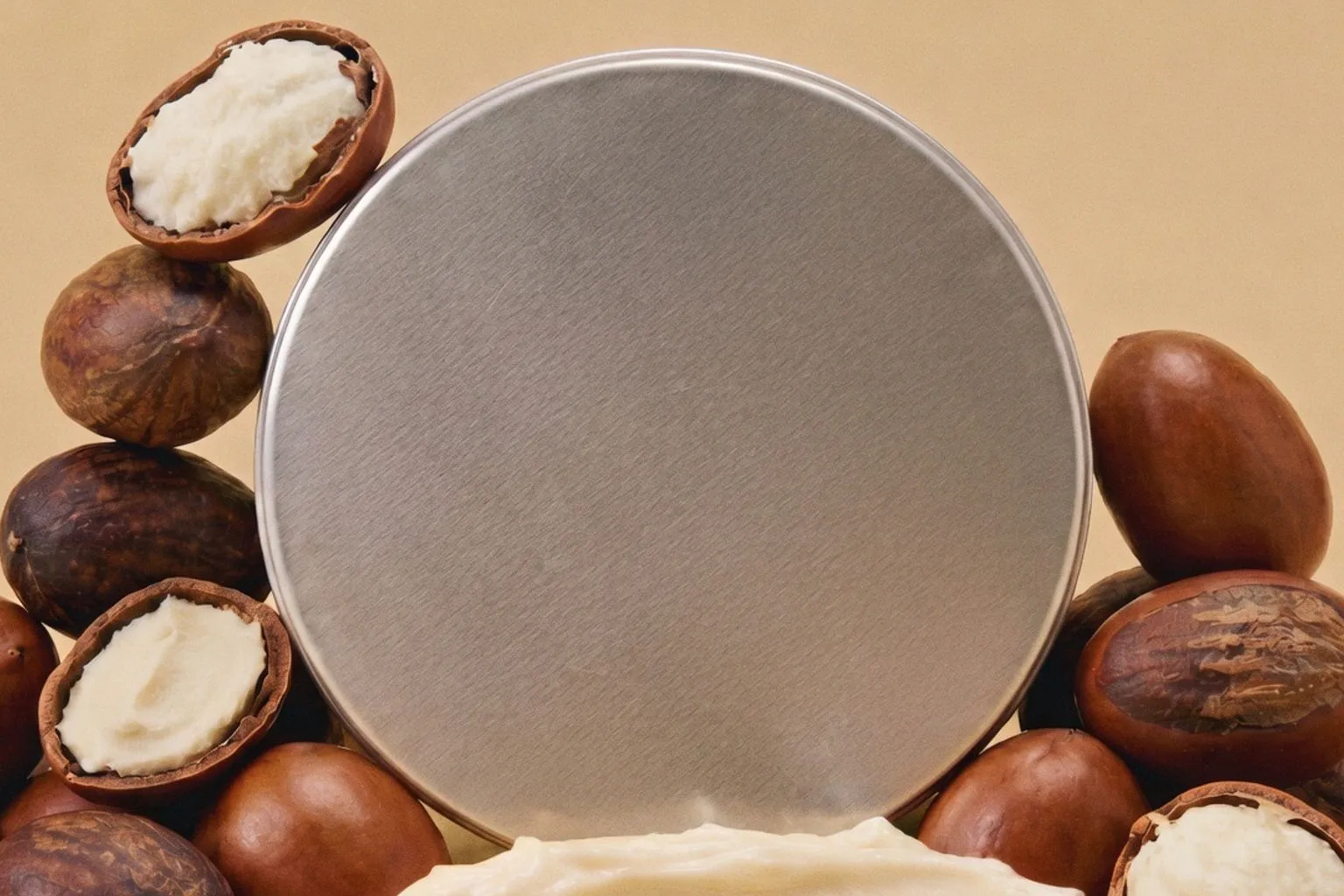
The Body Shop Re-engineers 11-SKU Body Butter Line
Community Fair Trade butters remain the lipid backbone; the surface claims target absorption rate, fragrance reformulation, and the elimination of a white cast on deeper pigmentation.
What changed in the formulation architecture
The relaunch pivots on three measurable adjustments:
- Absorption profile. Marketed as "fast-absorbing." For consumers monitoring transepidermal water loss (TEWL), faster sink-in typically signals a lower occlusive load and a higher emulsifier-to-butter ratio, which can shorten residual film time on the stratum corneum.
- Pigment compatibility. Reformulated to avoid a white cast on darker skin tones. In emulsion chemistry, that points to reduced titanium dioxide or zinc oxide content and a shift toward oils with low crystallization tendency rather than stearic-acid-heavy butter pastes.
- Lipid grade range. Textures now run from lighter creams to an ultra-rich balm, allowing selection based on baseline skin dryness rather than scent preference alone.
Sustainable packaging and refreshed branding accompany the formula work. The packaging claim is unverified at ingredient level; the recyclable-content ratio is not disclosed in the source.
What the 50th-anniversary activity looks like in-store
TheIndustry.beauty reports a deli-themed pop-up at the Westfield Stratford store running 17 September–13 October, styled as a traditional deli counter with interactive sampling, fridge-style product displays, retro scales, and staff in deli-inspired uniforms. The activation is positioned as a category-awareness rebuild around Body Butter and sits inside a wider 50th-anniversary programme.
Additional context from the same source: the activity follows a 2026 distribution expansion that included a first third-party retail partnership with Lookfantastic. The anniversary campaign also features Jameela Jamil, Leigh-Anne Pinnock, Paloma Faith, and Ashley James, extending across the updated Born Lippy range and the Grow Wild campaign.
What to verify before purchase
- INCI panel. Confirm Community Fair Trade shea, cocoa, or almond sits high on the ingredient list rather than as a trailing callout. Position on the list is a stronger indicator of concentration than marketing language.
- Occlusion vs. TEWL trade-off. The lightweight end of the range will sink in faster but offer shorter residual barrier support. For clinically dry or barrier-compromised skin, the ultra-rich balm variant is the more rational selection despite the slower absorption.
- Comedogenic potential. Shea and cocoa butter sit low-to-moderate on the comedogenic scale; however, the richer the balm, the higher the risk of follicular occlusion on acne-prone or sebum-heavy skin. Patch-test on the jawline for 48 hours before full application.
- Fragrance load. "Updated fragrances" is not quantified. If the formula carries a high fragrance load beneath the butter lipid, the lightweight variant may be the worse option for reactive skin, not the better one.
Do and don't
- Do match texture to measured skin dryness — lightweight for normal-to-dry, ultra-rich balm for ultra-dry or barrier-stressed skin.
- Do check the INCI list for the position of the named Community Fair Trade butter.
- Don't assume "fast-absorbing" equals lighter moisturization; absorption rate and barrier support are separate formulation parameters.
- Don't select by scent alone on reactive or sensitized skin — prioritize the variant with the shortest fragrance component on the INCI panel.