Essential Hydration: Expert-Approved Moisturizers for Melanin-Rich Skin
Black Health Matters just rolled out a curated lineup of fifteen face and body moisturizers designed specifically with melanin-rich skin in mind, and as a formulator who works daily with lipid-rich…
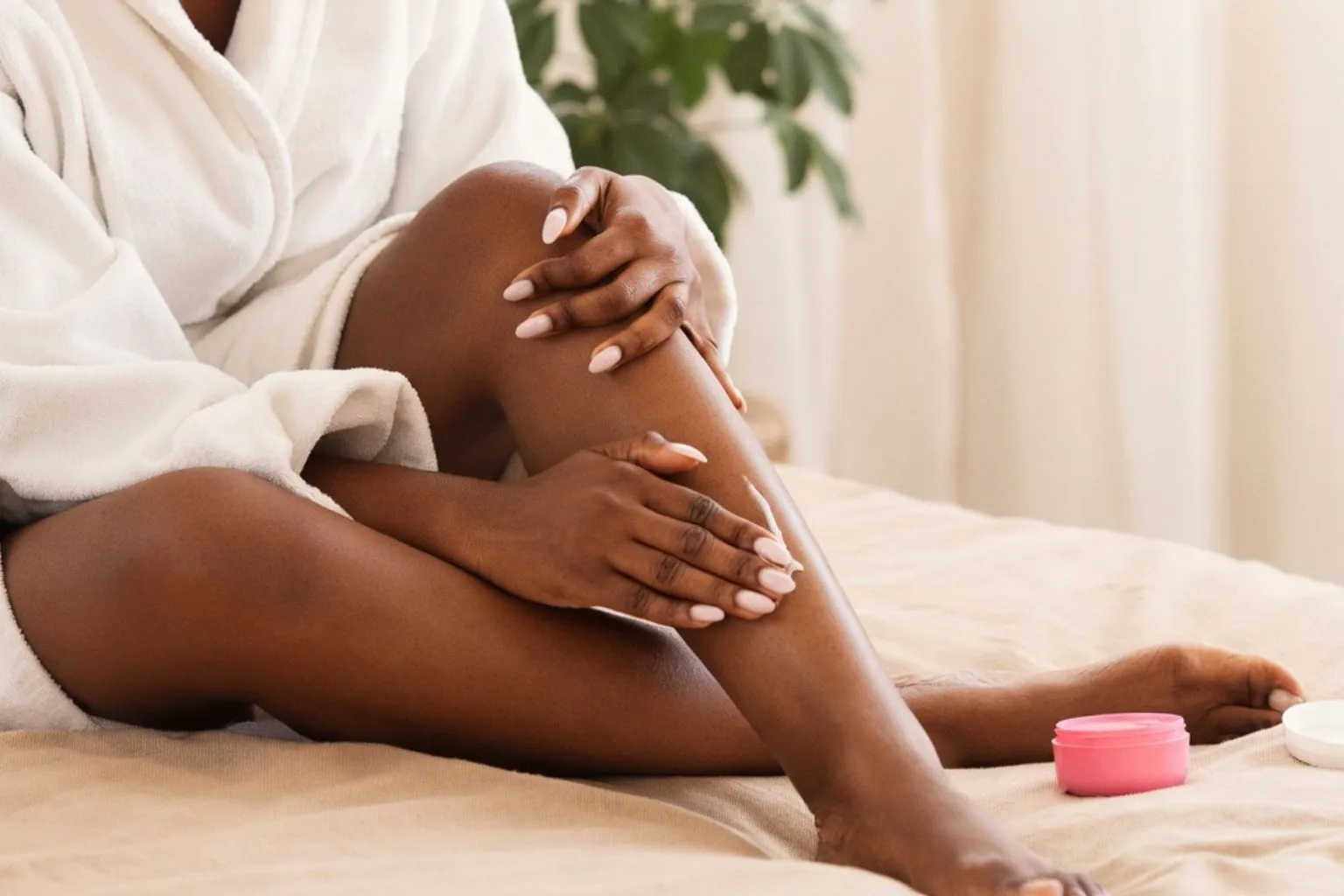
Black Health Matters just rolled out a curated lineup of fifteen face and body moisturizers designed specifically with melanin-rich skin in mind, and as a formulator who works daily with lipid-rich botanicals, I sat up a little straighter when I read it. Our skin tells a different hydration story than most mainstream beauty writing acknowledges, and a roundup that centers how we actually lose moisture, and what holds it back in, is overdue.
What the roundup gets right about our skin
The piece opens where every good skin conversation should: with the reality that darker skin tones carry distinct concerns, from conditions that flare differently under UV exposure to a faster moisture drop-off throughout the day. You feel that slip in your barrier after a hot shower, when the surface goes from supple to tight in minutes. That sensation is your lipid barrier asking for a heavier hand, and it is exactly why Black Health Matters steers readers toward formulas that do more than sit pretty on the skin. The publication flags hyaluronic acid as a cornerstone ingredient for drawing and holding water into the stratum corneum, which lines up with what I see in the studio: a humectant-rich base layered under a richer carrier makes all the difference when your skin drinks through lighter textures by lunch.
The texture question most lists skip
Consumer Reports ran a parallel test of nineteen fragrance-free moisturizers, from Aveeno and CeraVe to Vanicream and La Roche-Posay, and the through-line is worth borrowing for our own routines. Their testers, split between oily, dry, normal, and combination profiles, found almost no consensus on a single winner, which tracks. Viscosity, slip, and finish are deeply personal, and they shift across your T-zone, your cheeks, your hands. For melanin-rich skin that trends toward drier, a mid-weight cream with a botanical carrier like shea, jojoba, or marula tends to behave better than a featherweight gel. Shea brings a thick, almost buttery viscosity that mimics our natural sebum, jojoba mirrors it closely, and marula carries a lighter, fast-absorbing feel with a high oleic acid profile that cushions without clogging.
How to actually use what you buy
The roundup makes one point I want to underline in the studio voice: timing is half the formula. A hyaluronic-acid-forward face moisturizer belongs on damp skin, morning and evening, so the humectant can lock water in rather than pull it from deeper layers. Body butters and oils earn their place in the five minutes after a shower, when the skin is still warm and the barrier is most receptive. Pat, do not rub, and let the lipid layer do its work overnight. If you tend toward congestion along the jaw or chest, keep facial butters to evening only and reserve richer body formulas for limbs where the barrier is thicker.
If you build your shelf around one fragrance-free hyaluronic serum for the face and one rich, botanical body butter for after-bath sealing, you cover the two moments your skin loses the most water. Add a facial oil with a high linoleic profile, like baobab or hemp seed, on damp skin two nights a week, and you have a rotation that respects how melanin-rich complexions actually behave. Test each new formula on the inner forearm for forty-eight hours first, give the barrier time to speak, and let the texture you enjoy be the one you reach for consistently.