Why Rich Body Butters Outperform Standard Lotions for Deep Hydration
Allure's late-August roundup of body butters lands on a formulation distinction formulators and dermatologists have long emphasized: body butters are low-water, oil-dense systems engineered primarily…
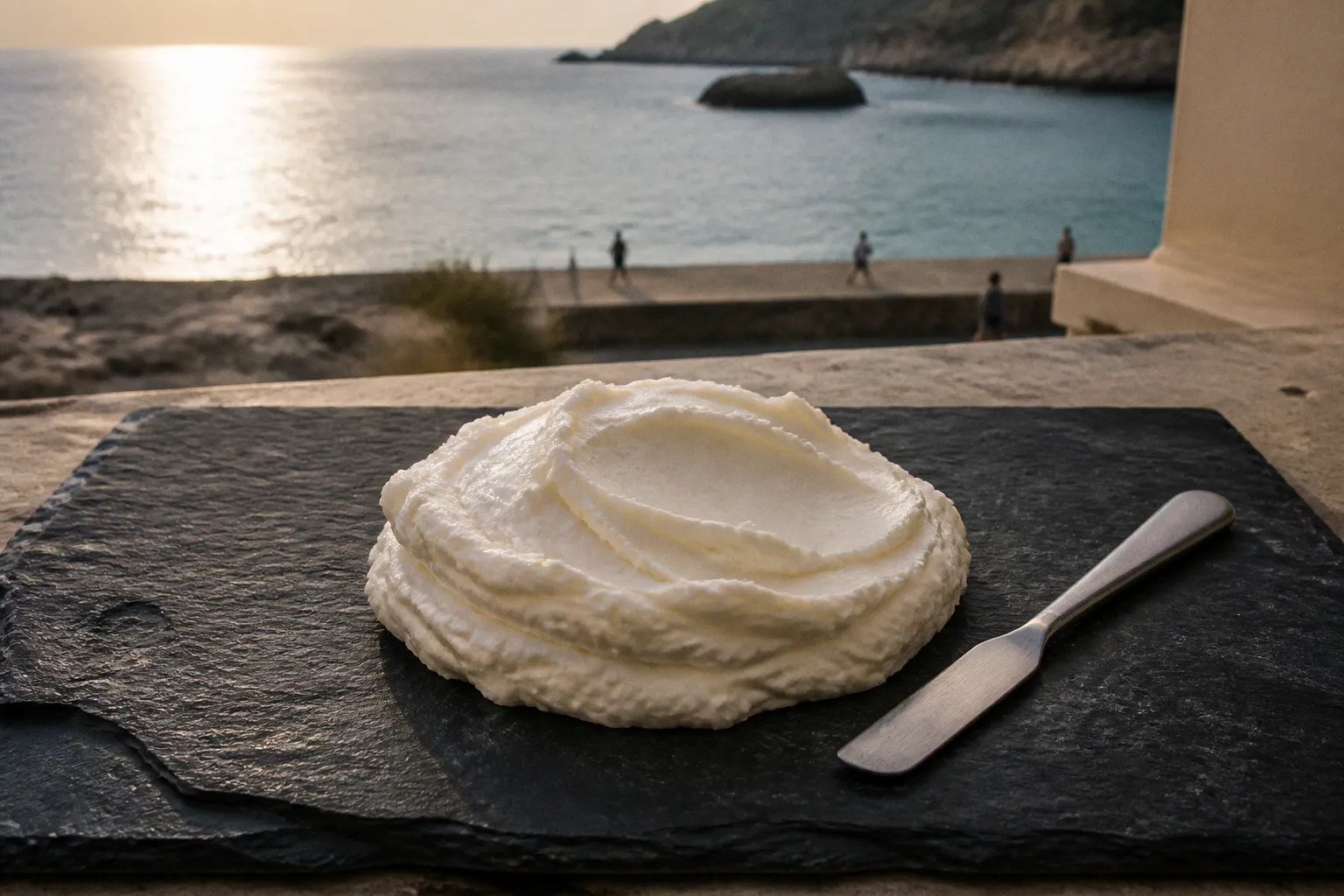
Allure's late-August roundup of body butters lands on a formulation distinction formulators and dermatologists have long emphasized: body butters are low-water, oil-dense systems engineered primarily as occlusive barriers. Board-certified dermatologist Debra Luftman, MD, based in Beverly Hills and Calabasas, California, notes that the thicker consistency and higher concentration of occlusive ingredients make these products measurably more effective than standard lotions at reducing transepidermal water loss (TEWL) — the quantifiable vapor flux across the stratum corneum that drives visible dryness.
The Occlusion Gap
A conventional body lotion is typically a water-in-oil or oil-in-water emulsion with water content routinely above 60%. Body butters invert that ratio. Most formulas are anhydrous — meaning no water phase at all — or contain only a small aqueous fraction. This shifts the preservative requirement: true anhydrous butters need no preservation, but any formula containing even trace water must include a broad-spectrum system suited to low water activity. This is where the common at-home formulation error enters. Adding water, aloe vera gel, or hydrosol to a pure shea butter base without reintroducing a preservative creates a microbial hazard within days. A product labeled "body butter" that lists water (aqua) as the first ingredient is functionally a lotion, regardless of jar shape or scent profile.
The occlusive benefit is mechanistically straightforward. Shea butter, cocoa butter, squalane, and ceramides deposit a lipid layer over the skin surface, raising the skin's water-vapor diffusion resistance. For areas prone to mechanical dryness — heels, knees, elbows — this physical seal outperforms humectant-only or low-lipid formulas, particularly under low-humidity winter conditions.
Two Profiles Worth Comparing
The Allure piece highlights two formulations that bracket the spectrum within the category:
- OSEA Undaria Algae Body Butter. Combines undaria seaweed extract and caffeine (vasoconstrictive; temporarily reduces visible puffiness) with shea butter, oat-derived ceramides, aloe, and the brand's "Skin-Identical Moisturizing Complex," described as a carbohydrate-derived humectant. The ceramide inclusion is notable for barrier repair; oat-derived ceramides mimic native stratum corneum lipids and integrate into the lamellar structure.
- Saltair Santal Bloom Multi-Lipid Body Butter. A 2025 Allure Best of Beauty Award winner priced under $25. Contains ceramides, phospholipids (amphiphilic structures that assist lamellar bilayer organization), coconut oil, and sea buckthorn oil — the last notably rich in palmitoleic acid, a fatty acid present in human sebum. Packaged in a 10-ounce jar.
What to Verify Before You Buy
For readers comparing options or formulating at home:
- Inspect the INCI top three. If water, glycerin, or a lightweight ester tops the list, the product is lotion-adjacent regardless of marketing language.
- Identify the lipid system. Shea, cocoa, mango, and murumuru butters differ in melting point and oleic-to-stearic acid ratio, which directly affects skin feel and comedogenic potential on adjacent areas.
- Confirm preservation. Any formula containing water requires a listed broad-spectrum preservative. Anhydrous butters do not.
- Patch-test ceramide-heavy formulas first. Sensitivity to oat-derived ceramides is uncommon but documented.
Body butters occupy a specific functional niche: concentrated lipid occlusion for compromised or seasonally dry skin. They are not a universal upgrade over lotion — particularly in humid climates or for skin prone to follicular occlusion. Used as targeted therapy on heels, knees, elbows, and post-procedure skin, they outperform standard emulsions by a measurable margin.