Navigating UK Moisturizing Skincare Trends: Market Data vs. Consumer Reality
For formulators and buyers working in the body butter and botanical oil space, both touch the same demand layer, but only the IndexBox title carries analytical weight in its stated scope.
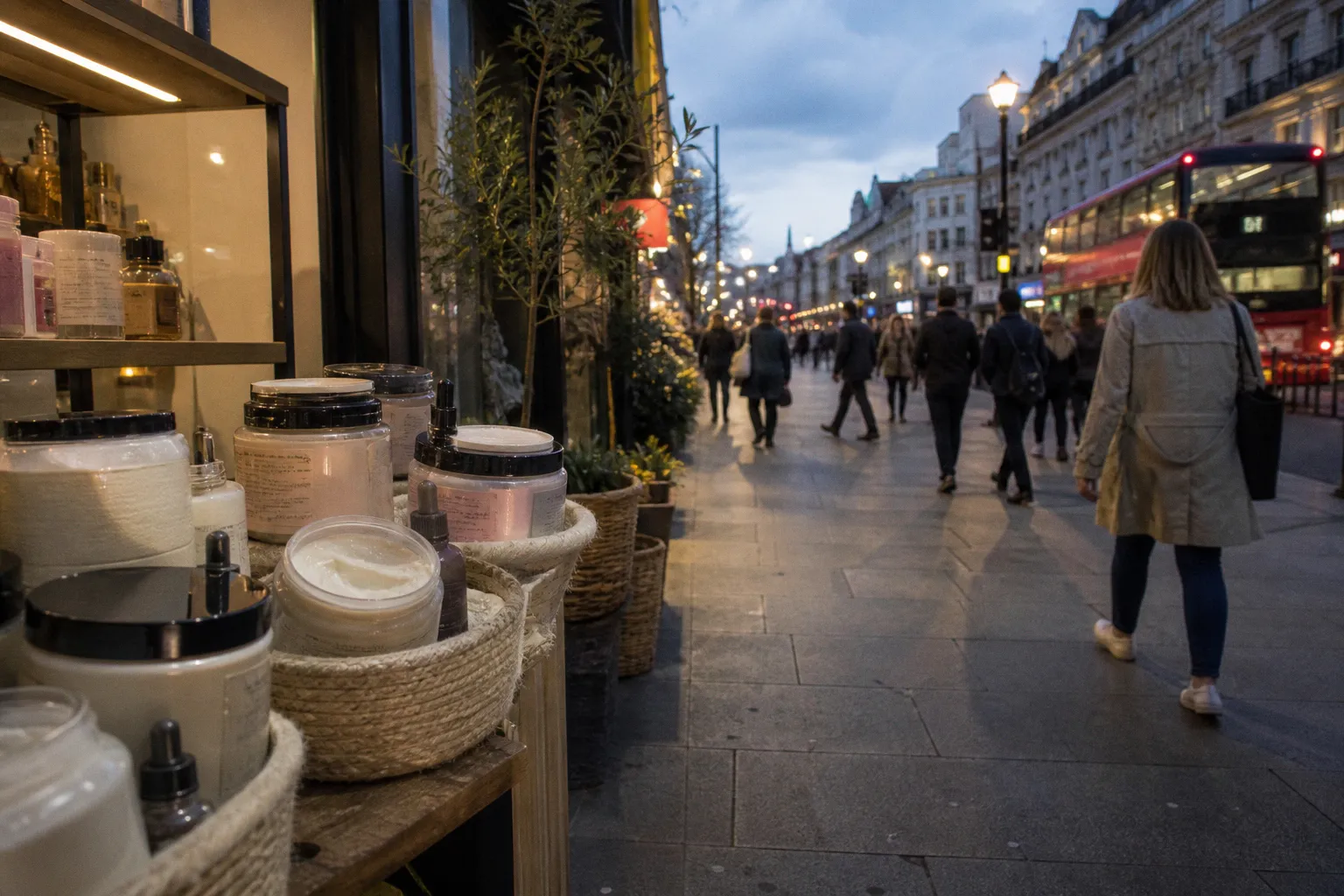
Box has released a market analysis titled United Kingdom Moisturizing Skincare Products — Market Analysis, Forecast, Size, Trends and Insights, dated late August 2026. The report sits alongside a BuzzFeed consumer roundup of 28 moisturizing products targeting dry-skin complaints — useful as parallel signal: one document aimed at trade and supply-chain readers, one aimed at end users. For formulators and buyers working in the body butter and botanical oil space, both touch the same demand layer, but only the IndexBox title carries analytical weight in its stated scope.
What the Publication Titles Actually Tell Us
The IndexBox report covers the UK moisturizing skincare category — creams, lotions, butters, and adjunct oils sold through retail and professional channels. The title indicates standard market-research framing: size, forecast, trend decomposition. No specific volume figures, CAGR values, or segment splits are available in the cited material, so any number quoted from this report would be fabricated. Treat the document as a directional reference, not a data dump, until the full text is reviewed.
The BuzzFeed piece, by contrast, is a curated listicle. Twenty-eight products, selected for visible dryness and "shedding" language, suggest a consumer segment that equates effective moisturization with heavy occlusive coverage. That framing is itself a data point — end users continue to associate rich textures with repair, even as emulsion science has moved toward lamellar and biomimetic structures.
Why This Matters for Premium Body Care
Premium positioning in body butters and carrier oils depends on differentiation that mass-market data rarely captures. A headline-level market report aggregates commodity lotions alongside artisanal shea, mango, and kokum butters; the resulting "market size" conflates products with no shared formulation logic. Three practical checks for readers working in this segment:
- Read the segment breakdown, not the total. Aggregate UK moisturizing figures include bar soaps, hand creams, and facial moisturizers. Body butters as a standalone category are usually a small fraction of the headline.
- Watch channel mix. Independent natural beauty and direct-to-maker channels often outperform overall category growth during periods when commodity prices fluctuate.
- Cross-reference with INCI scrutiny. The BuzzFeed roundup is a sentiment proxy, not a formulation guide. Many listed products will rely on petrolatum, dimethicone, or mineral oil — acceptable for occlusion, but not aligned with botanical-oil-led formulation.
What to Track Next
The IndexBox report's full body will determine whether the forecast assumes currency-adjusted import flows or domestic production volume. Either methodology shifts the interpretation. If only a summary is accessible, request the methodology appendix before citing any figure — a standard practice for cosmetic chemists evaluating market claims.
For body butter formulators specifically, the relevant question is not the UK market's headline size but the share of premium and artisanal SKUs within the body butter sub-segment. That figure is not present in either source cited. Until a granular dataset is published, treat both references as orientation markers rather than inputs for sourcing or pricing decisions.