Is whipped body butter safe to use on your face?
The jar doesn't know where it lands. Scoop whipped body butter onto your face and your pores either absorb it or reject it — there's no middle ground, and there's no undo button.
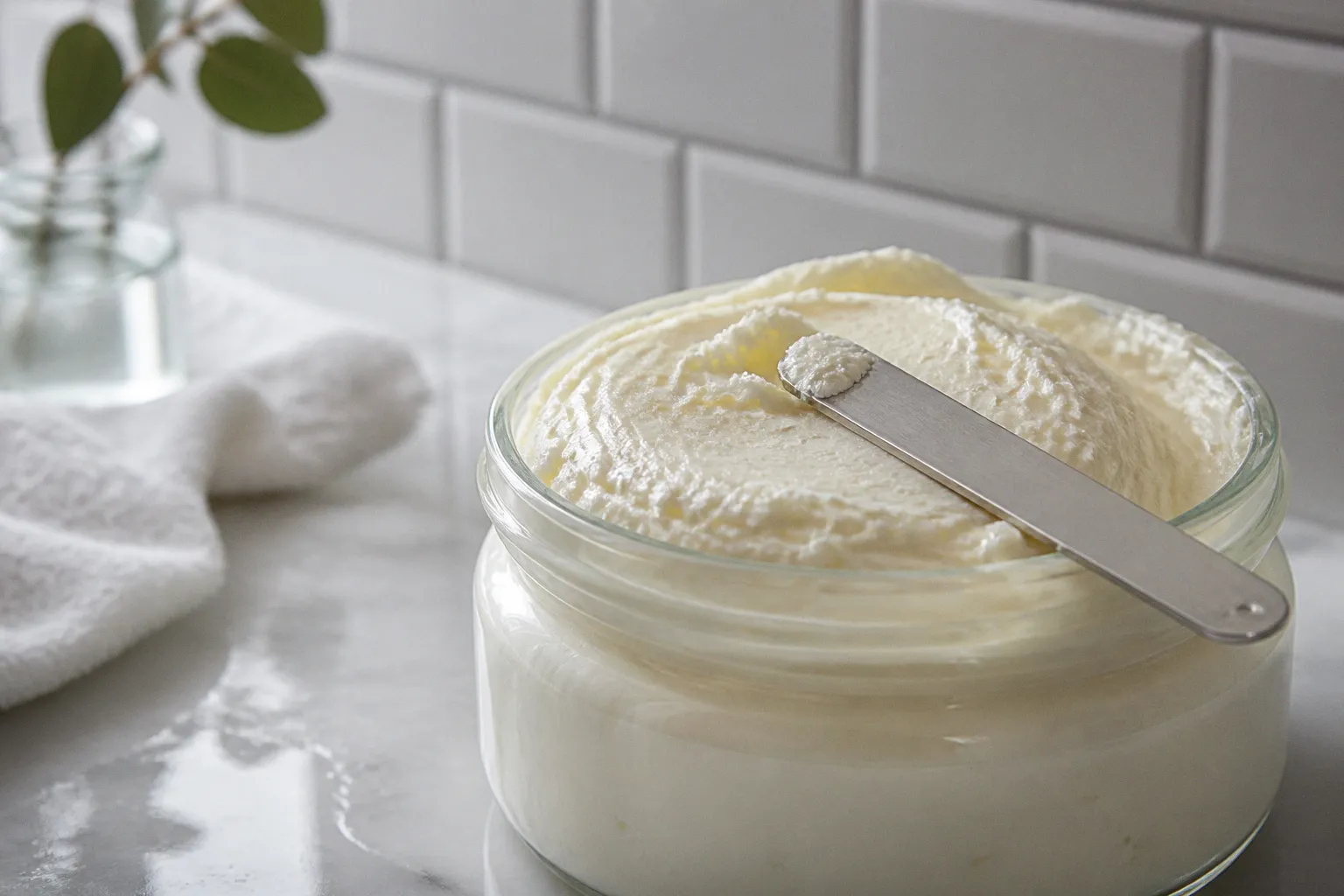
Most people grab whatever's closest when their face feels tight, and that decision usually means slathering a formula engineered for shoulders, shins, and elbows onto the thinnest, most reactive skin on your body. That's a mechanical mismatch, not a philosophical one.
Your face runs on different tolerances than your arms. Facial pores sit closer to the surface, sebum production runs higher, and the barrier layer is thinner. A formula built to seal in moisture across thick body skin often overloads facial pores, traps sebum, and sets the stage for congestion. Whether that becomes a minor breakout or a full eruption depends on the ingredient list — and that's where most people stop reading.
The Comedogenic Reality: Why Body Formulas Differ from Facial Creams
Comedogenic ratings measure one thing: how likely an ingredient is to clog a pore. The scale runs from 0 to 5. Zero means the ingredient rarely blocks anything. Five means a near-guaranteed traffic jam. Anything at 0 to 2 plays nicely with most pore types. Anything at 4 or 5 throws dice in a small, enclosed space.
Body butters aren't built with facial pores in mind. They're engineered to seal, repair, and protect larger surface areas against friction, cold air, and moisture loss. That's the entire job description. Facial moisturizers, by contrast, hydrate without obstructing the smaller, more active pore structures around your T-zone, cheeks, and chin.
Pore clogging is mechanical, not moral. A rating of 4 doesn't mean an ingredient is "bad" — it means it behaves a certain way under pressure.
The mismatch becomes obvious once you trace the logic. A body butter designed to lock in hydration overnight on your legs relies on heavier, occlusive ingredients. Those same occlusive agents smother facial pores already dealing with daily sebum, sunscreen residue, and environmental grime. The result isn't always acne, but the risk curve climbs steeply when heavier fats meet facial skin.
Decoding the Scale: Shea, Cocoa, and Coconut Oil Risks
Here's where you read the label, not the marketing copy. The ingredient deck on a whipped body frosting determines whether that jar is facial-friendly or a breakout waiting to happen.
| Ingredient | Comedogenic Rating | Risk Profile for Facial Use |
|---|---|---|
| Shea butter | 0–2 | Low; tolerated by most skin types in moderation |
| Mango butter | 0 | Non-comedogenic; generally safe for facial application |
| Cocoa butter | 4 | High; likely to congest pores |
| Coconut oil | 4 | High; frequent trigger for acne |
| Wheat germ oil | 5 | Very high; avoid on facial skin |
| Flaxseed / linseed oil | 4 | High; clogging risk |
Shea and mango butter sit at the friendly end of the scale. Pure, unrefined versions of either can touch facial skin without much protest from most pore types, especially when applied in thin layers at night. Cocoa butter and coconut oil — both common staples in whipped body butters — sit at the opposite end. They're the heavy lifters that make body butter feel rich and dense, but they don't play the same game on your face.
The catch: many commercial body butter formulas stack multiple high-comedogenic ingredients into a single jar. A frosting containing coconut oil, cocoa butter, and wheat germ oil layered together creates a compounding clog risk that no single rating captures. The math doesn't add up the way it does on paper.
One ingredient at 4 is manageable. Three ingredients at 4 stacked into one formula is a different mechanical problem entirely.
Worth keeping in mind: the comedogenic scale didn't originate from human facial trials. It grew out of 1970s rabbit ear testing — work by Albert Kligman in 1972 and James Fulton in 1989 — which doesn't map perfectly onto human pore behavior. The scale works as a directional tool, not an absolute verdict. Individual skin still writes its own rules.
The Science of Slugging: When Heavy Butters Benefit Mature Skin
Now flip the problem. There are conditions where heavier butters earn their place on a face — specifically when the barrier is compromised, dried out, or aging.
Slugging — sealing the skin with an occlusive layer overnight — works on a simple mechanical principle. Apply hydration first, then lock it in with a heavy, water-resistant barrier. For people with very dry, mature, or barrier-damaged skin, an anhydrous whipped body butter can serve as that sealing layer. The butter doesn't add hydration on its own; it traps what you've already applied and prevents transepidermal water loss through the night.
The technique demands discipline. A pinpoint amount goes onto clean, hydrated skin. You're not building a mask — you're laying down a seal. Too much product, and the occlusive layer traps sebum, sweat, and bacteria alongside the moisture. Done right, slugging with a body butter leaves dry, mature skin plumper and more resilient by morning. Done wrong, it leaves you with congestion and a new set of problems to manage.
This is a targeted move, not a daily habit for everyone. Mature skin, severely dehydrated skin, and barrier-compromised skin benefit most. Oily or acne-prone skin doesn't belong anywhere near this technique.
Identifying Red Flags in Your Whipped Body Frosting
The label tells you everything. Most people just don't read it.
Watch for these mechanical warning signs:
- Coconut oil in the first five ingredients — concentration matters, and a top-five position means it's doing heavy lifting in the formula. Expect pore congestion if you apply this to your face.
- Cocoa butter as a primary base — same risk profile as coconut oil. Rich, occlusive, and highly rated for clogging facial pores.
- Heavy fragrance loads — synthetic fragrance and dense essential oil blends irritate facial skin faster than body skin. The face runs thinner and reacts harder.
- Wheat germ oil or linseed oil near the top of the ingredient list — both sit at comedogenic ratings of 4 to 5. Avoid on facial skin.
- No comedogenic testing data — if the brand can't tell you how the formula performs on facial skin, assume it wasn't designed for that use.
A clean formula for occasional facial use typically lists shea butter or mango butter as the primary fat, skips heavy fragrance, and contains minimal comedogenic carriers. Anything that reads more like a dessert topping than a utilitarian formula probably doesn't belong on your T-zone.
Dermatologist-Recommended Alternatives for Acne-Prone Complexions
If your skin runs toward breakouts, congestion, or reactive flare-ups, the playbook shifts entirely. Acne-prone skin wants humectants — ingredients that pull water into the skin — and barrier-repair agents that reinforce the lipid layer without smothering it.
The ingredient list that works for acne-prone facial skin:
- Glycerin — pulls hydration from the air into the skin without clogging pores.
- Ceramides — rebuild the lipid barrier that acne and harsh treatments strip away.
- Hyaluronic acid — hydrates without weight, sits comfortably under other products.
- Niacinamide — regulates sebum production and calms inflammation.
- Squalane — mimics natural skin oils at a low comedogenic rating.
A facial moisturizer built around these ingredients hydrates, repairs, and protects without the mechanical risk that body butters carry. Dermatologists consistently steer acne-prone patients toward these formulations rather than heavier body products because the job is different. You're not sealing in moisture across thick skin — you're managing active pores in a high-traffic zone.
That doesn't mean body butter is useless. It means the jar belongs on your body, not your face, when breakouts are part of your reality.
The Maintenance Schedule: Where Body Butter Actually Belongs
Bottom line: the answer depends on what's in the jar and what your face tolerates.
Whipped body butter earns its spot on shoulders, arms, legs, torso, and feet — anywhere skin runs thick, dry, or exposed to friction. The formulas are built for that workload. Heavy butters seal in hydration across large surface areas, repair barrier damage from cold weather or shaving, and lock in moisture overnight without breaking down.
Facial skin is a separate machine. If you want to use body butter on your face, the rules narrow fast:
1. Stick to formulas built around shea or mango butter — ratings of 0 to 2 keep the clogging risk low.
2. Skip anything heavy on coconut oil, cocoa butter, or wheat germ oil — ratings of 4 to 5 catch up with your pores.
3. Apply a pinpoint amount at night only — daytime use under sunscreen or makeup stacks occlusion on top of occlusion.
4. Patch test on the jawline first — give the formula 48 hours to show how your pores respond.
5. Stop at the first sign of congestion — clogged pores don't clear themselves. They compound.
For acne-prone or reactive skin, default to a facial moisturizer designed around humectants and ceramides. Save the body butter for the body. The jar does its best work when it's matched to the mechanical job at hand — and facial pores aren't the job your whipped frosting was hired for.