Chemical exfoliants vs sugar scrubs for smooth skin
A sugar scrub and a chemical body exfoliant do not remove dead skin in the same way. Sugar crystals provide mechanical abrasion at the surface.
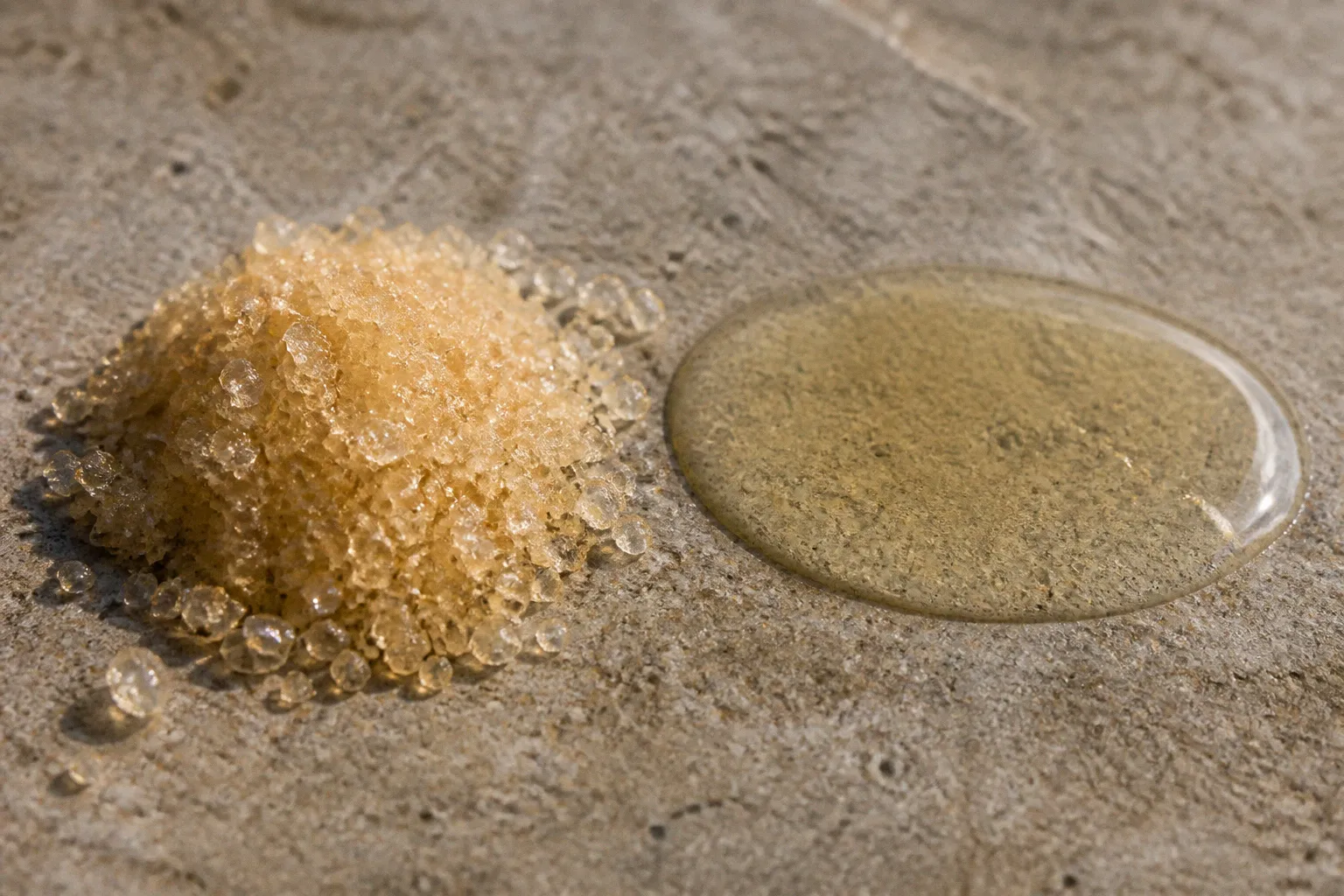
Alpha hydroxy acids (AHAs) and beta hydroxy acids (BHAs) alter the cohesion between dead corneocytes and support more uniform desquamation. The difference affects texture, pore congestion, irritation risk, application technique, and the time required to see a change.
Compare car rental deals in United Kingdom
See available offersPartner link — DiscoverCars comparisonFor anyone comparing a chemical body exfoliant vs sugar scrub, the primary decision is not whether one method is universally better. It is whether the skin problem is mainly surface roughness, follicular congestion, uneven texture, or accumulated dryness. A sugar body scrub can produce an immediate smooth feel. A properly formulated acid product can address texture across a larger area with less dependence on hand pressure.
Skin turnover also changes the time scale. In younger adults, the cycle is roughly 30 days. With age, it can extend to 30–50 days. Exfoliation does not replace this biological process. It modifies how accumulated cells are released from the surface.
The mechanics of surface polishing: how sugar scrubs work
A sugar scrub is a physical exfoliant. Its solid particles move across the skin and detach some of the outermost dead cells through friction. The result is immediate surface smoothing, but the consistency of that result depends on the formulation and the user’s technique.
Sugar is used in body scrubs for a specific chemical reason: it dissolves in water. It also functions as a humectant, meaning it can attract water to the skin. This makes sugar physically different from salt or ground nut shells. Salt crystals remain abrasive for longer in the shower, while sugar gradually loses its particulate structure as it dissolves.
That does not make every sugar scrub mild. Particle size, crystal shape, oil content, surfactant system, and applied pressure determine the final level of abrasion.
A body scrub can contain:
- Fine sugar crystals, which provide lower mechanical intensity and dissolve quickly.
- Coarse sugar crystals, which maintain friction longer and can feel more abrasive on thin or recently shaved skin.
- Oil-rich bases, commonly built around sunflower, coconut, jojoba, or other plant oils. These reduce drag and limit water loss after rinsing, but may leave an occlusive film.
- Foaming systems, which combine sugar with surfactants. These rinse more cleanly and reduce the need for a separate body wash.
- Coffee particles, which create additional physical friction. The skin-smoothing effect comes from abrasion rather than from caffeine producing a proven structural change in cellulite.
- Salt or nut-shell particles, which can remain more abrasive than sugar. They require more control around dry, cracked, or compromised skin.
The main limitation of physical exfoliation is distribution. Pressure is rarely uniform across the body. A person may apply more force to the elbows, knees, and upper arms, then use less on the abdomen or chest. The result can be uneven polishing. The same area can also receive repeated passes because it feels rough, even though the roughness may reflect dehydration, follicular keratin buildup, or an underlying condition rather than a simple layer of removable dead cells.
Sugar scrubs change surface feel quickly. They do not provide the same control over cellular release as a measured acid formulation.
The application dose is also relevant. A quarter-sized amount is generally sufficient for a localized body area. Using a large handful does not produce proportionally better exfoliation. It increases friction, product waste, and the likelihood of repeated scrubbing.
What a sugar scrub can and cannot do
A sugar body scrub is suited to short-term surface polishing. It can reduce the feel of flaky residue and smooth areas such as the knees, elbows, heels, and shins. It can also prepare the skin for a body oil or butter by removing loose surface material, although the product does not automatically increase penetration of every ingredient applied afterward.
It is less predictable for:
- persistent keratosis pilaris on the upper arms;
- follicular congestion on the back or chest;
- broad areas of uneven texture;
- roughness caused by repeated shaving or friction;
- skin that reacts to pressure more than to the exfoliating ingredient itself.
The physical method has no fixed exfoliation dose unless the user controls particle exposure, pressure, and contact time. This is the central difference in the chemical vs physical body scrub comparison.
Deep-pore renewal: the science of AHA and BHA exfoliation
Chemical exfoliants use acids rather than particles. AHAs include glycolic acid and lactic acid. BHA products commonly use salicylic acid. These ingredients work by weakening the bonds that hold dead surface cells together. The cells can then shed with less mechanical force.
A chemical exfoliant is not inherently harsher than a sugar scrub. Its performance depends on concentration, pH, solvent system, contact time, and the condition of the skin barrier. A low-intensity lactic acid lotion may be more tolerable than a coarse scrub applied with pressure. A high-strength glycolic acid product used too frequently may produce burning, dryness, or persistent sensitivity.
AHA body products
AHAs are water-soluble acids that work primarily on the skin surface. They are common in lotions, body washes, serums, and peeling products.
- Glycolic acid has a relatively small molecular structure and is often selected for rough texture and visible buildup. It can be efficient, but the same activity can increase stinging in sensitive skin.
- Lactic acid is also used for surface exfoliation and is frequently included in leave-on body lotions. Its formulation may be paired with humectants and emollients to reduce the dry feel associated with acid use.
- Multi-acid formulas may combine glycolic, lactic, and other acids. The ingredient list alone does not establish the strength of the product. The full formulation determines the exposure.
A glycolic acid body wash and a sugar scrub also differ in contact time. A wash-off product is applied briefly and rinsed. A sugar scrub remains on the skin only during physical application, but abrasion occurs immediately. A leave-on glycolic lotion remains in contact with the skin for much longer and therefore requires a more conservative schedule.
BHA body products
Salicylic acid is oil-soluble and can move into sebum-rich areas more effectively than water-soluble acids. This makes BHA products relevant to body breakouts, clogged follicles, and rough areas associated with oil and keratin accumulation.
BHA is not a universal solution for every form of dryness. If the skin is simply dehydrated, adding an exfoliating acid without restoring the barrier can increase tightness. The formula should be assessed alongside the rest of the routine. A body lotion with humectants, emollients, and an occlusive phase may be more useful than escalating acid frequency.
Why chemical exfoliation is often more even
A chemical product can be distributed across the skin with relatively consistent dosing. A person applies the formula to a defined area, while a sugar scrub depends on the force and movement of the hands. This makes acid exfoliation more suitable for broad areas where uniform texture is the objective.
The advantage is not absolute. Uneven application can still create uneven results. Dry patches, folds, shaved areas, and regions covered by hair may receive different amounts of product. A foaming body scrub has the same issue if the surfactant-rich formula is rinsed rapidly from some areas and worked longer on others.
The practical distinction is simple:
| Parameter | Chemical body exfoliant | Sugar body scrub |
|---|---|---|
| Primary mechanism | Weakens cohesion between dead cells through acids | Removes surface cells through friction |
| Main result | More uniform desquamation across an applied area | Immediate surface smoothing |
| Control variable | Acid type, concentration, pH, and contact time | Particle size, pressure, duration, and frequency |
| Best suited to | Uneven texture, follicular buildup, some forms of congestion | Localized roughness and short-term skin polishing |
| Water interaction | Depends on the product base | Sugar dissolves during washing |
| Risk of overuse | Dryness, stinging, barrier disruption | Irritation from repeated friction or excessive pressure |
| Routine compatibility | Requires spacing from other active products | Requires spacing from shaving and other physical friction |
| Sensory endpoint | Skin may feel smoother over repeated use | Skin often feels smoother immediately after rinsing |
Navigating the 30-day skin turnover cycle
Exfoliation is frequently judged against the wrong timeline. A sugar scrub can change the feel of the skin after one shower because it removes loose material from the surface. That is a tactile result, not evidence of a complete renewal cycle.
The body continues to produce and shed corneocytes. In young adults, skin cell turnover occurs roughly every 30 days. The process may slow to 30–50 days as people age. This slower turnover can contribute to the accumulation of dead cells, dull appearance, and rough texture.
A chemical product may require repeated use before the improvement is clear because it is influencing the pattern of shedding over time. The effect should be assessed against baseline texture, not against the immediate post-shower feel produced by a physical scrub.
A useful way to separate the two outcomes is:
1. Immediate surface effect
Sugar crystals remove loose surface cells through friction. The skin may feel smoother after rinsing.
2. Progressive texture management
AHAs and BHAs alter how dead cells detach and can support more consistent exfoliation across repeated applications.
3. Barrier response
Any method can increase dryness if exfoliation exceeds the skin’s ability to recover. The relevant signal is not a strong tingling sensation. It is persistent tightness, burning, scaling, or increased reactivity.
4. Underlying cause
Roughness may result from dehydration, follicular plugging, friction, shaving, eczema, psoriasis, or keratosis pilaris. Exfoliation addresses only some of these mechanisms.
Keratosis pilaris illustrates the limitation of surface polishing. The condition involves keratin buildup around hair follicles. A coarse scrub may make the upper arms feel temporarily smoother, but repeated abrasion does not necessarily correct the follicular process. A leave-on lotion containing an AHA, BHA, or another keratolytic approach may provide more consistent management, depending on tolerance.
This is also where the comedogenic scale requires careful interpretation. An oil with a higher comedogenic rating may be poorly tolerated by some acne-prone users, but the scale is not a universal prediction of how every formula will behave on every body area. The finished product, dosage, rinse-off status, and individual response matter more than the rating viewed in isolation.
Formulation determines the final behavior
The same exfoliating ingredient can behave differently in different vehicles.
- A sugar scrub in an oil base may reduce friction and limit transepidermal water loss (TEWL) after rinsing by leaving a lipid film.
- A foaming sugar scrub may remove more oil from the skin because surfactants rinse away both the crystals and part of the surface lipid layer.
- A glycolic acid lotion provides extended contact and usually requires lower frequency than a wash-off cleanser.
- A lactic acid body cream may combine exfoliation with humectant and emollient support.
- A salicylic acid wash may be appropriate for areas with follicular congestion, but brief contact limits the total exposure compared with a leave-on product.
Emulsification also matters. A body butter that contains water is not equivalent to pure shea butter or a simple anhydrous oil blend. Once water is added to a formula, the product requires a preservation system and a stable emulsion. A homemade mixture of sugar, water, and oils can become microbiologically unstable. The absence of visible spoilage does not establish safety.
For a finished commercial product, the relevant questions are more technical than whether the ingredient list appears botanical:
- Is the product anhydrous, emulsified, or surfactant-based?
- Does the formula contain a preservative system when water is present?
- Is the exfoliant intended for rinse-off or leave-on use?
- Which acids are included, and how are they positioned in the ingredient list?
- Does the base contain fragrance or essential oils that may increase irritation in reactive skin?
- Does the lipid phase leave a film that is compatible with the user’s acne tendency and clothing?
Strategic timing: waxing, shaving, and active ingredients
Timing determines whether exfoliation supports texture management or adds unnecessary injury to the barrier.
Facial waxing requires a defined pause. Exfoliation should be avoided for at least four days before and four days after facial waxing. Wax already exerts physical force on the skin, and active acids can increase sensitivity. Combining the two too closely can raise the risk of skin lifting.
Body waxing and shaving also require practical spacing, even though the exact interval depends on the area, method, and skin response. A sugar scrub used immediately after shaving adds friction to a freshly disturbed surface. An acid applied to the same area may sting because the barrier has been altered by the razor.
The following sequence is more controlled:
- Do not apply an acid to visibly irritated, freshly shaved, cracked, or sun-exposed skin.
- Do not use a sugar scrub as a way to remove flaking from an already inflamed area.
- Introduce one exfoliating method at a time.
- Reduce frequency when another active product is used on the same area.
- Apply a fragrance-free moisturizer after rinsing or after an acid has absorbed, depending on the product instructions.
- Use sun protection on exposed areas. Increased surface sensitivity can make photoprotection more relevant even when the product is used on the body.
The mistake is often not the choice of ingredient. It is stacking. A person may use a foaming body scrub, shave, apply a glycolic acid lotion, and then add a fragranced body oil in one routine. Each step may be acceptable in isolation. The combined exposure is different.
The exfoliant is only one variable. Friction, contact time, shaving, waxing, surfactants, and barrier support determine the total load.
Choosing between the methods by skin problem
The decision becomes clearer when the target is defined precisely.
For localized roughness
Sugar is effective when the roughness is superficial and confined to areas such as elbows, knees, and heels. Select a fine or medium particle size. Use light pressure. A quarter-sized amount is generally enough for a localized area. The scrub should glide rather than require force.
If the skin remains rough after several sessions, increasing pressure is not a rational escalation. The texture may be caused by dehydration or follicular keratinization rather than loose surface cells. A body lotion with an appropriate acid or urea may be a better next step.
For keratosis pilaris
A chemical approach is usually easier to control across the upper arms and thighs. AHAs can loosen accumulated surface cells, while salicylic acid may be relevant when follicular congestion is part of the pattern. The product should be introduced gradually and paired with barrier-supportive moisturization.
A sugar scrub can be used occasionally if the skin tolerates it, but it should not be treated as the main corrective mechanism. Excessive scrubbing can create temporary smoothness while increasing irritation.
For body acne and clogged follicles
A BHA product may be more appropriate than a sugar scrub because salicylic acid is oil-soluble and can interact with material inside follicles. The formula still needs to be evaluated as a whole. A heavily fragranced or highly occlusive base may be poorly suited to acne-prone areas, regardless of the exfoliating active.
Coffee body scrubs are not a substitute for a targeted acne treatment. Their principal action is physical polishing.
For dry, flaky skin
The first intervention should be barrier support. A lipid-rich body butter, emulsion, or oil can reduce the sensation of dryness by limiting TEWL and improving surface flexibility. Exfoliation can follow only if loose scale remains after moisturization has been restored.
Sugar has humectant properties and dissolves in water, but a sugar scrub is not a complete moisturizer. Its effect depends on the base. A scrub built around oils may leave a more substantial lipid film than a foaming formula.
For a fast pre-event result
A sugar scrub provides the most immediate tactile change. That does not mean it creates deeper renewal. It is a surface-polishing option with a short feedback loop. Use low pressure and avoid combining it with shaving or other aggressive steps immediately afterward.
For a long-term texture routine
A leave-on chemical exfoliant offers more control over repeated exposure. The routine should be based on tolerance and product design, not on the assumption that daily use produces faster results. A lower-frequency schedule with consistent moisturization is more defensible than frequent application followed by barrier disruption.
Building a routine without stacking unnecessary exfoliation
A basic routine needs only one primary exfoliation method at a time.
For a sugar-based routine:
1. Wet the skin with warm water rather than prolonged hot water.
2. Apply a quarter-sized amount to the selected area.
3. Massage with light, controlled movements.
4. Rinse thoroughly.
5. Apply a body moisturizer or oil while the skin is still slightly damp.
6. Leave several days between sessions if the area becomes tight or sensitive.
For an acid-based routine:
1. Apply the product to clean, dry skin if the label specifies leave-on use.
2. Start with a limited body area.
3. Avoid freshly shaved, waxed, cracked, or inflamed skin.
4. Allow the product to work without adding a physical scrub in the same session.
5. Follow with a compatible moisturizer.
6. Monitor the skin for persistent burning, scaling, or increased sensitivity.
For combination use, separate the methods. A person may use an acid lotion on the upper arms and a sugar scrub on the heels, but applying both to the same area within a short interval makes the total exfoliation load difficult to assess.
A practical product map looks like this:
| Skin objective | More controlled starting point | What to limit |
|---|---|---|
| Rough elbows and knees | Fine sugar scrub or mild AHA lotion | Heavy pressure and repeated passes |
| Keratosis pilaris | AHA or BHA leave-on body product | Treating bumps only with abrasive particles |
| Follicular congestion | Salicylic acid body product | Dense occlusive products on acne-prone areas |
| Dry flaking | Emollient and occlusive moisturizer first | Exfoliating cracked or inflamed skin |
| Immediate skin polishing | Sugar scrub with a balanced oil or emulsion base | Scrubbing immediately after shaving |
| Large areas of uneven texture | Leave-on chemical exfoliant used gradually | Uncontrolled daily use and acid-scrub stacking |
The formulation should also be stored correctly. Water-containing scrubs and emulsions need a preservation system. Wet fingers introduced into a jar can increase contamination risk. Anhydrous products are not automatically immune to quality problems; oils can oxidize, and plant materials can alter stability. Packaging, exposure to water, and storage temperature all affect product behavior.
The decision: chemical body exfoliant or sugar scrub?
The chemical body exfoliant vs sugar scrub choice can be reduced to three variables: target, control, and tolerance.
Choose a sugar scrub when the objective is localized surface polishing and the skin can tolerate mechanical friction. Select a formula with dissolving sugar particles, a controlled oil or emulsion base, and no requirement for aggressive pressure.
Choose an AHA product when the objective is broad, repeated management of rough texture or accumulated surface cells. Glycolic and lactic acid products differ in formulation and tolerance, so the acid name alone is not enough to predict performance.
Choose a BHA product when follicular congestion or body acne is part of the problem. Salicylic acid is relevant to oil-associated buildup, but it still requires barrier management.
Do not choose either method as a response to unexplained inflammation, open lesions, active dermatitis, or persistent burning. Exfoliation is not a diagnostic tool. It cannot correct every rough texture and should not be used to force a smoother result from compromised skin.
The final do-and-don’t check
Do:
- Match the method to the problem: surface roughness, follicular buildup, congestion, or dryness.
- Treat sugar as a mechanical exfoliant, not as a replacement for a chemical treatment.
- Treat acids as dose-dependent ingredients, not as automatically aggressive substances.
- Use controlled pressure with sugar scrubs.
- Account for contact time, formulation, surfactants, and the lipid phase.
- Support the barrier with appropriate moisturization to limit excess TEWL.
- Separate exfoliation from facial waxing by at least four days before and after.
- Introduce one new exfoliating product at a time.
Do not:
- Add water to a pure shea butter or oil base without a preservation and emulsion system.
- Scrub harder when roughness persists.
- Combine a body scrub, shaving, waxing, and an acid lotion in one high-friction routine.
- Treat coffee grounds as a chemical exfoliant.
- Assume a product is suitable because its ingredients are botanical.
- Use the comedogenic scale as a definitive prediction of individual acne response.
- Continue exfoliation through burning, cracking, or persistent scaling.
- Judge long-term cellular turnover from a single smooth feeling after a shower.
A sugar scrub is a surface tool. A chemical exfoliant is a controlled desquamation tool. Both can fit into body care, but they solve different formulation and skin problems. The correct method is the one that delivers the required level of exfoliation without exceeding the skin’s capacity to maintain its barrier.