Navigating Sensitive Skin Claims in Premium Body Butters and Oils
The Vogue India item is framed as a guide from a modern beauty brand addressing sensitive skin.
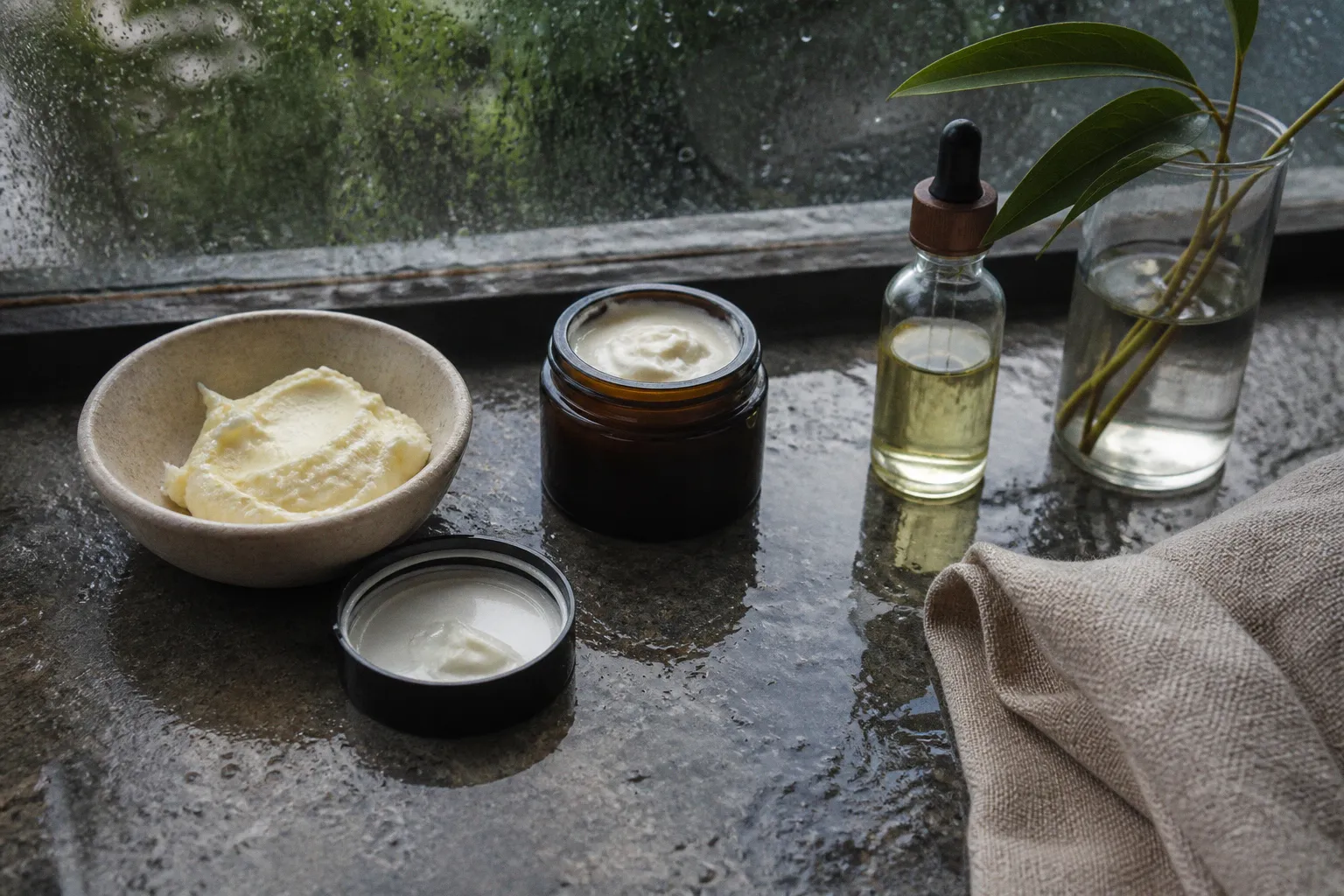
Vogue India has published “A modern beauty brand’s guide to sensitive skin and its many woes,” while Vogue Adria has separately reported on “Why beauty is obsessed with skin butters.” For readers tracking body butters and cream formulas, the two headlines identify a current editorial focus but do not establish a specific product, ingredient system, or proven benefit for sensitive skin. The available source material contains no full article text, formulation data, or clinical evidence.
What the available reporting confirms
The brand is not identified in the available evidence, and no product range, ingredient list, price, launch date, or testing method is provided.
The Vogue Adria item concerns the growing attention given to skin butters. Its headline does not specify which butter, oil, texture, or finished product is under discussion. It also does not establish that skin butters are suitable for reactive or sensitive skin.
That distinction is important. A headline about sensitive skin is not equivalent to a documented formulation claim. A headline about skin butters is not evidence of improved barrier function, reduced transepidermal water loss (TEWL), or lower irritation potential.
What body-care readers can verify
For any body butter positioned toward sensitive skin, the useful information is normally found in the formula and product documentation, not in the editorial framing alone. The available evidence does not supply those details, so readers should check the following before treating the product as a practical option:
- Full ingredient declaration. The source material does not identify the oils, butters, emulsifiers, preservatives, or fragrance components involved.
- Formula type. A true anhydrous butter differs from an emulsion. The presence of water changes the preservation requirements and the product’s physical structure.
- Fragrance disclosure. No fragrance status is reported in either available snippet.
- Testing claims. There is no confirmed information about patch testing, dermatological testing, participant numbers, or measured outcomes.
- Intended use. The evidence does not state whether the product is designed for the face, body, hands, or localized dry areas.
A product described as a butter may be an oil-heavy balm, an anhydrous blend, or a water-containing cream. These systems cannot be assessed interchangeably. Texture alone does not determine tolerability, and the term “sensitive” does not provide a standardized formulation specification.
The practical route for now
The two reports are best read as signals of editorial and market interest, not as a technical recommendation. There is not enough confirmed information to rank a body butter, identify a superior occlusive system, or connect a named ingredient with a measured skin outcome.
For shoppers comparing premium body-care products, the next step is documentation. Look for the complete ingredient list, clear product format, fragrance information, and any testing details supplied by the manufacturer. If those data are absent, the product may still be of interest, but its suitability cannot be established from these headlines.
Do:
- Treat the Vogue India and Vogue Adria pieces as coverage prompts.
- Separate a brand guide from independent formulation evidence.
- Check whether a “butter” is an anhydrous product or an emulsion.
- Require ingredient and testing details before making a sensitive-skin assessment.
Don’t:
- Infer efficacy from the phrase “skin butter.”
- Assume that a sensitive-skin guide confirms universal tolerability.
- Attribute clinical or regulatory claims to either source.
- Treat the current headlines as proof that one body-care formula is safer than another.