Beard growth oil ingredients that waste your money
If your beard oil leaves a glossy film on the skin but your cheeks still feel tight, itchy, or congested, the problem may be in the ingredient list rather than in your beard routine.
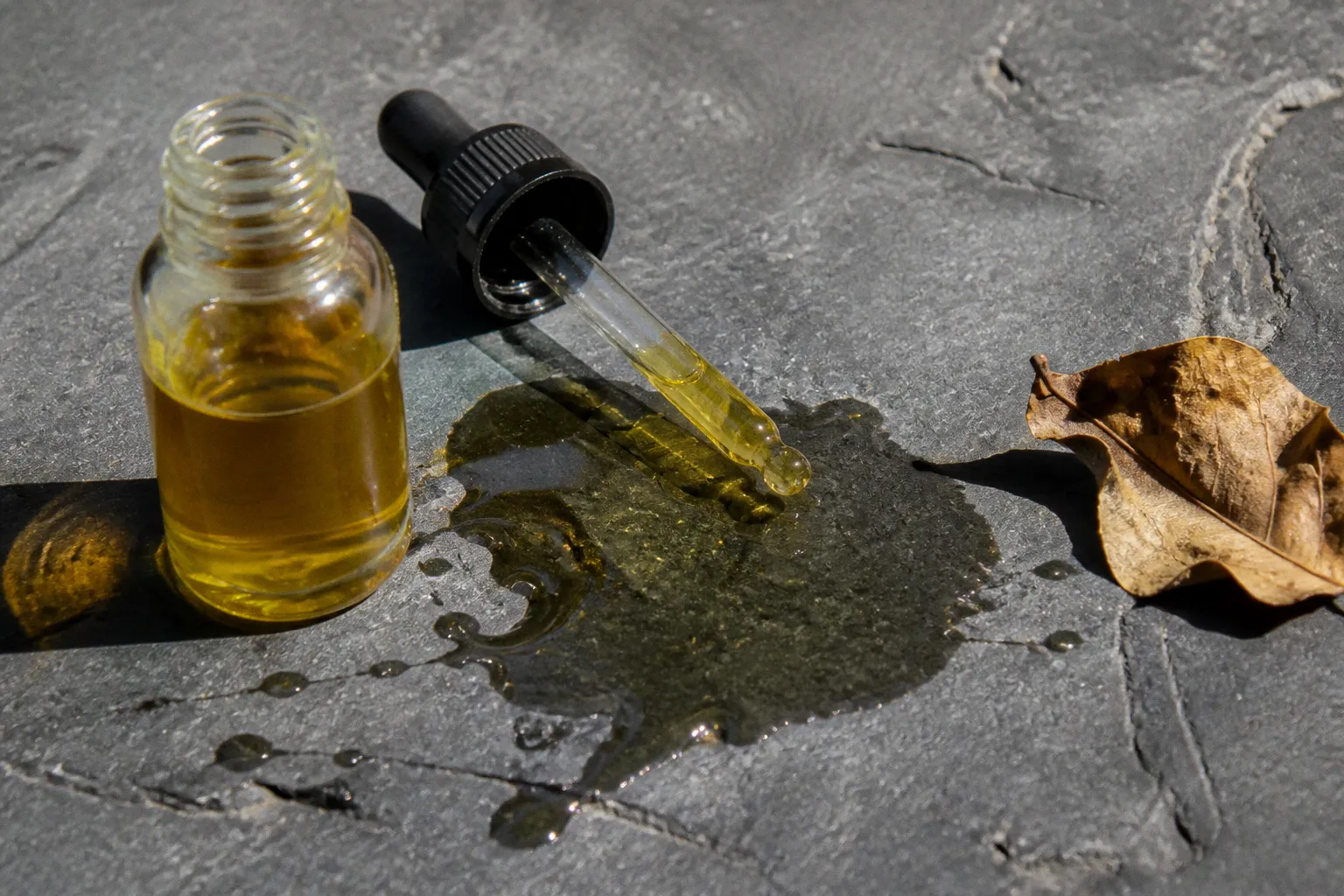
Beard Growth Oil Ingredients to Avoid for Better Grooming
Many products marketed as “growth oils” cannot change the genetics that determine facial-hair density. What they can do is condition existing hair, reduce breakage, soften rough texture, and support the skin beneath the beard.
That distinction matters. A well-made beard oil is a carefully balanced carrier system with a useful lipid profile and a viscosity that spreads in a few drops. A poor formula relies on inexpensive fillers, synthetic fragrance, heavy petroleum derivatives, or surface-coating ingredients that create the appearance of grooming without offering much skin benefit. These are the beard growth oil ingredients to avoid when you want a healthier, more comfortable routine rather than a bottle built around a marketing promise.
Start with the biological reality: beard oil cannot rewrite your follicles
The first ingredient to avoid is not found on the label. It is the claim that any oil can wake dormant follicles, override genetics, or create new facial hair where the follicle is not producing one.
Facial-hair growth depends largely on genetics, age, hormonal sensitivity, and the natural pattern of your follicles. An oil sits on the surface of the skin and hair. It cannot alter the follicle’s genetic instructions. It also cannot perform the same function as a clinically studied treatment such as minoxidil, and natural carrier oils should not be presented as equivalent to medical hair-growth products.
So, do beard growth oils work? They can work well for the things oil is actually capable of doing:
- reducing dryness beneath the beard;
- improving the feel and flexibility of facial hair;
- helping limit breakage caused by brittle strands;
- softening coarse ends;
- reducing friction during brushing and shaping;
- supporting a more comfortable skin barrier;
- making an uneven beard look fuller because conditioned hairs lie more smoothly.
Those benefits are not trivial. A beard that is less brittle and less irritated is easier to maintain. When the skin is dry and the hair is rough, you may experience flaking, itching, scratching, and breakage that make the beard appear thinner. Conditioning can improve the visible result, but it does not create new follicles.
A responsible formula should therefore describe itself as conditioning, nourishing, softening, or moisturizing rather than promising instant growth. When a product leans heavily on the word “growth,” look beyond the front label. The ingredient list will tell you whether the bottle contains a thoughtful botanical blend or simply a low-cost base wrapped in an ambitious claim.
Beard oil can improve the condition of the hair you have. It cannot manufacture the follicles you do not have.
The carrier system matters more than the word “growth”
In botanical formulation, I read a beard oil from the base upward. The primary ingredients usually make up most of the formula and determine its texture, absorption, and general skin feel. Secondary ingredients refine the blend, while trace ingredients often shape the olfactory profile or add a narrow functional purpose.
This hierarchy is useful because a striking essential-oil story can distract from a weak carrier system. A label may highlight cedarwood, sandalwood, or a dramatic “beard growth complex,” but if the first several ingredients are cheap bulk oils or heavy coating agents, the formula may not deliver the comfortable finish you expect.
A practical beard oil usually benefits from a combination of carriers with different viscosities and fatty-acid profiles. Jojoba has a light, elegant skin feel and a wax-ester structure that makes it especially useful in facial care. Argan oil offers a softer, more nourishing finish. Other plant oils may contribute slip, cushion, or a drier after-feel. The best combinations create synergy: one carrier improves spreadability, another supports softness, and another gives the formula enough body to remain on the beard without becoming greasy.
Here is the basic distinction I use when assessing a product:
| Formula feature | What it contributes | What to watch for |
|---|---|---|
| High-quality plant carriers | Skin comfort, softness, flexible conditioning, and a more natural finish | The oils should suit facial skin and be protected from oxidation |
| Jojoba or argan near the beginning of the list | A useful foundation for beard and skin conditioning | These ingredients should not appear only in trace amounts while cheaper oils dominate |
| Heavy mineral or petroleum derivatives | Occlusive slip and temporary smoothness | A waxy coating, congestion, and a formula designed mainly for feel rather than conditioning |
| Silicones | Immediate shine and detangling | Buildup and a cosmetic effect that does not equal internal hydration |
| Synthetic fragrance blends | Consistent scent and stability | Irritation, allergic contact dermatitis, and unclear fragrance composition |
| Harsh cleansing ingredients in a beard wash | Strong foam and rapid removal of oil | Stripped sebum, dry facial hair, and increased irritation |
| Essential oils in trace amounts | Characteristic olfactory notes and, depending on the oil, a sensory dimension | Overuse, sensitization, or an unnecessarily aggressive fragrance profile |
The order is not the only consideration, but it gives you a useful map. If the formula begins with several inexpensive bulk oils and places the more desirable botanical carriers near the end, the product may be using those recognizable ingredients as decoration rather than as the structural heart of the blend.
Vegetable-based carrier oils also have a finite shelf life. Many remain at their best for roughly six to thirteen months before oxidation becomes a concern, depending on the oil, packaging, storage conditions, and antioxidant system. A fresh botanical oil should smell clean and characteristic of its ingredients. If the aroma turns sharply stale, waxy, sour, or like old cooking oil, the formula may be oxidized and should not be treated as a premium grooming product simply because the bottle still contains liquid.
Why a few drops are enough
Beard oil is generally a daily product, not a weekly treatment applied in a thick layer. The beard and the skin beneath it need only a small amount because the purpose is to distribute a thin lipid film through the hair and across the skin. Overapplication creates a greasy surface without improving follicle function.
I recommend starting with fewer drops than you think you need. Warm the oil between your palms, press it into the skin beneath the beard, then work the remainder through the lengths and ends. A short beard may need only a few drops; a longer or denser beard may need more, but the correct amount is the smallest quantity that eliminates roughness without leaving a heavy residue.
That application method also helps you evaluate viscosity. A good beard oil should spread without dragging, absorb gradually rather than vanishing instantly, and leave the hair conditioned rather than lacquered.
Mineral oil and petroleum derivatives: smooth on the surface, limited underneath
Mineral oil, paraffin oil, and related petroleum derivatives are common because they are inexpensive, stable, and effective at creating slip. They can form an occlusive layer over the skin, which is not inherently useless. Occlusion can reduce water loss in the right context. The problem appears when a product presents a cheap coating as though it were a nutrient-rich botanical treatment for beard growth.
These ingredients do not provide the same range of fatty acids, minor compounds, or sensory complexity as cold-pressed plant oils. They primarily sit on the surface. On facial skin beneath a dense beard, that waxy layer can feel trapped, especially when combined with sweat, sebum, dead skin, and frequent touching. Some users experience more congestion or a less comfortable scalp-like environment under the beard.
I am cautious with the language that these ingredients “suffocate” skin. Skin does not breathe like a lung, and the issue is not that a follicle is literally deprived of air. The more precise concern is that a heavy film may interfere with comfortable cleansing and leave the surface feeling coated rather than properly conditioned. If the formula also contains fragrance or other irritants, that occlusive film can make the overall experience more unpleasant.
Mineral oil is not automatically dangerous in every cosmetic application. The question is what role it plays in the formula. In a beard growth oil marketed around botanical nourishment, a petroleum-heavy base is a sign that the product may be relying on texture and shine rather than a well-designed carrier blend.
Look for petroleum-derived terms such as:
- mineral oil;
- paraffinum liquidum;
- paraffin;
- petrolatum;
- liquid paraffin;
- microcrystalline wax;
- ozokerite.
Some of these ingredients may be useful in a balm or protective salve, particularly when a dense barrier is the goal. They are less convincing when the bottle promises a lightweight, botanical facial-hair treatment and the main experience is a slick coating that needs to be washed away.
The difference between occlusion and conditioning
A useful carrier oil does more than remain on the surface. Its viscosity influences spread, while its lipid profile affects how the skin and hair feel after application. Jojoba, for example, can give a clean, low-grease finish. Argan may bring softness and a richer cushion. A lighter ester or plant oil can improve glide and reduce the heavy sensation that some men dislike in beard products.
This does not mean every natural oil will suit every face. Coconut oil, for instance, can feel heavy or congesting for some users, while others enjoy its richness. The formula needs balance. The aim is not to reject every ingredient that has an occlusive quality; it is to avoid confusing a surface film with comprehensive beard care.
Silicones create instant shine, but shine is not hydration
Silicones are among the easiest beard oil ingredients to misunderstand. They can make facial hair feel smooth immediately, reduce friction, and create a polished sheen that photographs well. That cosmetic effect has a place in grooming. A formula becomes misleading when the shine is treated as evidence that the hair has been deeply hydrated or structurally repaired.
Silicones coat the hair shaft. They sit on the surface and can make rough strands feel more manageable, but they do not provide the same type of conditioning as a thoughtfully selected plant-oil blend. They may also contribute to buildup, particularly when used repeatedly on a dense beard without regular cleansing.
Common silicone names include:
- dimethicone;
- cyclopentasiloxane;
- cyclohexasiloxane;
- trimethylsiloxysilicate;
- amodimethicone;
- phenyl trimethicone.
The presence of one silicone does not automatically make a product worthless. Some modern formulas use volatile silicones for a light, dry finish, and certain beard products are designed more as styling serums than as botanical oils. But if your priority is a plant-based beard conditioning routine, a long silicone list deserves scrutiny.
Ask what you feel after the first application and what happens after repeated use. Does the beard remain flexible, or does it begin to feel coated? Does the skin stay comfortable, or do you notice more residue around the follicles? Does the product wash out cleanly with a mild beard cleanser, or does the beard require increasingly aggressive washing?
Those questions reveal the difference between immediate slip and durable comfort.
A glossy beard is not necessarily a nourished beard. Surface shine is a finish, not proof of follicle support.
Synthetic fragrance and harsh detergents can turn grooming into irritation
Fragrance is often the most memorable part of a beard product. A warm woody accord can make a routine feel intentional, while citrus top notes can give a dense beard a clean, lifted character. I pay attention to olfactory notes because scent affects whether a product is used consistently. But fragrance should remain a supporting element, not the reason a formula is tolerated despite poor skin response.
Synthetic fragrance blends may include numerous aroma materials that are not individually disclosed on the front label. They are used for consistency, longevity, and cost control, but they can trigger irritation or allergic contact dermatitis in susceptible users. Phthalates may also be associated with fragrance systems, depending on the formula and regulatory environment. Their presence cannot be assumed from scent alone, but undisclosed fragrance-heavy products offer less clarity for anyone managing sensitive skin.
Watch for fragrance listed simply as:
- parfum;
- fragrance;
- perfume;
- aroma.
This does not mean every product with “fragrance” is unsuitable. It means the label does not give you the same ingredient transparency as a formula that identifies its aromatic materials more clearly. If you develop itching, redness, burning, or small inflamed bumps after applying a scented beard oil, stop using it rather than increasing the amount or trying to cover the reaction with another product.
Essential oils are not automatically gentler. Tea tree, peppermint, cinnamon, clove, citrus, and several resinous materials can be highly noticeable and potentially irritating, especially when applied daily to the face. The quality of the essential oil, the dilution level, and the rest of the carrier system all matter. A masculine scent profile should have depth and restraint, not simply intensity.
Harsh cleansing is another route to a brittle beard
The oil itself may not be the only source of wasted money. Many men use a regular scalp shampoo or a strong sulfate cleanser on the beard every day, then apply an oil to compensate for the dryness. That sequence creates a cycle: aggressive washing removes too much sebum, the beard becomes coarse, and a heavy product is used to restore softness.
Sodium Lauryl Sulfate, or SLS, is a strong detergent. It can produce abundant foam and remove oil efficiently, but on facial skin and coarse hair it may be too stripping for daily use. The result can be a tight feeling beneath the beard, brittle ends, flaking, and increased sensitivity.
Beard shampoo is generally better used two to three times per week rather than as a daily substitute for a harsh scalp cleanser. The exact rhythm depends on sweat, styling products, work conditions, and skin type. Between washes, a thorough rinse and gentle fingertip cleansing may be enough for some routines.
A suitable beard cleanser should remove excess product without leaving the skin squeaky or the hair rigid. That squeaky sensation is not a reliable sign of cleanliness; it often indicates that the surface oils have been stripped too aggressively.
Cheap filler oils: when the label sounds botanical but the formula is mostly bulk
Soybean and canola oils are not toxic ingredients, and it would be inaccurate to describe every use of them as a formulation failure. They are accessible vegetable oils with their own fatty-acid profiles. The issue is value and placement. When inexpensive oils dominate a product marketed as a premium beard growth treatment, they may be functioning primarily as low-cost bulk rather than as part of a carefully balanced facial-care blend.
Cold-pressed jojoba and argan oils are often valued in beard care because of their skin feel, oxidative profile, and ability to create a more refined finish. That does not make them magical growth agents. It makes them useful carriers for conditioning existing hair and supporting a comfortable skin surface.
Soybean and canola oils may feel less elegant in certain formulas, especially when the blend has a high viscosity, a strong residual odor, or insufficient antioxidant protection. Their performance also depends on processing and freshness. A well-formulated product can use a modest amount of a less expensive carrier alongside more distinctive oils. A less convincing product places expensive-sounding botanical extracts and essential oils on the label while using cheap bulk oils as the actual foundation.
When reading an ingredient list, look for balance rather than a single hero ingredient:
1. Identify the primary carriers. The first several ingredients usually tell you what you are mostly applying to your beard and skin.
2. Separate structure from decoration. Jojoba, argan, sunflower, hemp, or other plant oils near the end of the list may be present in quantities too small to define the formula.
3. Check the aromatic load. A powerful scent can hide rancidity or dominate a formula that has little botanical character.
4. Notice the finish. A soft, conditioned beard should not feel waxed, sticky, or coated after a small application.
5. Consider the packaging. Clear bottles exposed to heat and light are less protective for oxidation-sensitive plant oils than well-sealed, light-resistant packaging.
6. Treat growth language cautiously. No carrier oil should be described as reactivating dormant follicles or correcting genetic patchiness.
What a more credible beard oil blend looks like
A credible beard oil does not need a long ingredient list. In fact, a short list can be easier to evaluate. I usually prefer to see a coherent carrier system before the aromatic materials:
- one or more lightweight, skin-compatible plant carriers;
- a richer oil used to add cushion without making the beard greasy;
- an antioxidant system where appropriate;
- clearly identified aromatic ingredients at a restrained dilution;
- no dependence on mineral oil or silicone for the main sensory effect.
The final character should be proportionate. The carrier gives the product its body and conditioning ability. The secondary oils shape the finish. Trace ingredients add olfactory notes and nuance. When that structure is reversed—fragrance first in the sensory experience, cheap filler first in the formula, and a dramatic growth promise on the label—the product is likely selling an impression rather than delivering considered grooming.
How to build a beard routine that does not waste the oil
Even a good beard oil will disappoint if it is used on unwashed, congested skin or applied in a quantity that overwhelms the hair. The routine should be simple enough to repeat and precise enough to produce a consistent result.
After showering, let the beard become damp rather than soaking wet. Apply a small amount of oil to the fingertips, press it into the skin beneath the beard, and then distribute it through the hair. Use a comb or brush to carry the remaining product toward the ends. If the beard still feels dry after several minutes, add one or two more drops. Starting with a heavy pour makes it harder to judge the formula’s real viscosity.
For a longer beard, the sequence may work better with a light beard conditioner or balm followed by a small amount of oil on the ends. For a short beard, oil alone may be enough. If you shave the neck or cheeks, keep scented products away from freshly abraded skin until the initial sting and heat have subsided. Post-shave skin has a different tolerance than an intact beard area, and an aromatic blend that feels pleasant on the beard may burn on newly shaved skin.
Clean the beard regularly, but do not punish it with aggressive daily detergent. If you use wax, pomade, or a silicone-rich styling product, you may need a more thorough cleanse occasionally. The goal is to remove buildup while preserving enough natural sebum for the skin to remain comfortable.
Storage also affects performance. Keep vegetable-based oils away from direct sun, high heat, and a steamy bathroom shelf. Close the cap promptly after use. If the aroma changes from clean and botanical to stale or sharp, discard the product even if the date on the bottle has not passed.
The bottom line on beard growth oil ingredients to avoid
The most expensive mistake is buying a product for a function it cannot perform. Beard growth oil cannot alter genetics or generate new follicles. Its genuine value is in conditioning the existing beard, reducing dryness, minimizing breakage, and improving the skin environment beneath the hair.
The beard oil ingredients to avoid are therefore the ones that make the product look more capable than it is: petroleum-heavy bases presented as botanical nourishment, silicones marketed as deep hydration, fragrance systems that irritate the skin, harsh detergents that strip the beard, and inexpensive filler oils used without a thoughtful balance.
Read the label from the first ingredient, not from the front-panel promise. Look for a carrier system with a comfortable viscosity, a credible lipid profile, restrained olfactory notes, and enough transparency to understand what you are applying every day. Use a few drops consistently, cleanse the beard two to three times weekly with a gentle product, and judge the result by skin comfort and hair condition rather than by exaggerated claims.
A well-made oil will not change your follicle pattern. It will make the beard you already have feel softer, look healthier, and behave better—and that is a useful result when the formula earns its place on your shelf.