Expert-Backed Strategies to Fade Scars and Smooth Skin Texture
As NBC News recently reported, board-certified dermatologists point to silicone-based occlusion, targeted acids, and botanical extracts as the most reliable at-home options — and the overlap with…
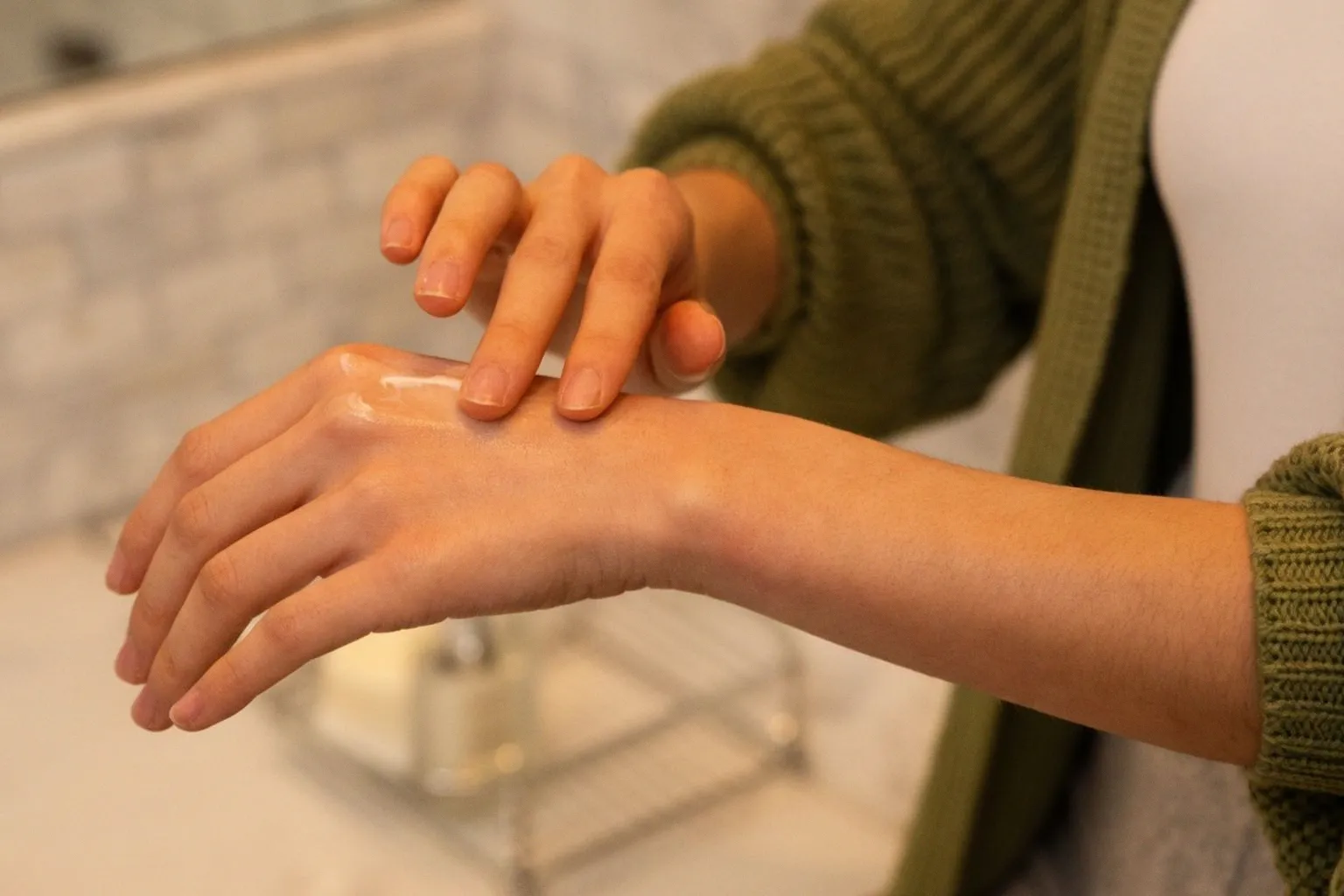
If a raised scar or dark mark is sitting on your skin after surgery, a burn, or a stubborn breakout, dermatologist-backed treatments can soften the tissue faster than waiting it out. As NBC News recently reported, board-certified dermatologists point to silicone-based occlusion, targeted acids, and botanical extracts as the most reliable at-home options — and the overlap with lipid-rich skincare is closer than you'd think.
What the dermatologists recommend first
In the studio, I hear the same question every week: once a wound closes, what actually fades the scar? According to NBC News' roundup of expert guidance, silicone remains the closest thing to a universal answer. Dr. Marisa Garshick, a board-certified dermatologist at MDCS Dermatology in New York City, explains that silicone sheets mimic the natural skin barrier and create a moist environment that lets the scar heal better. "It helps to hydrate the skin, and the adhesive is comfortable and flexible, enabling you to keep the scar covered and protected while you heal," she says.
Two formats stand out: ScarAway silicone sheets, which can be worn up to 10 days and hold up to showering, sweating, and light rain; and Kelo-Cote's silicone scar gel, recommended by Dr. Joshua Zeichner, director of cosmetic and clinical research at Mount Sinai Hospital, for post-surgical patients because, according to the report, it dries clear and non-sticky. If you want UV protection baked in, BioCorneum's silicone gel adds SPF 30 — a smart move, since sun exposure can make a scar look worse over time.
Where botanicals fit into the routine
Cepalin botanical extract is the lipid-soluble plant compound inside Mederma's topical scar gel. According to the brand, it helps lock in moisture, support collagen, and renew cells to reduce the look of scars from acne, burns, injury, and surgery. Mederma suggests applying once the wound has closed, then continuing daily for at least eight weeks on new scars and three to six months on existing ones.
If your scar has left a dark or red mark rather than a raised texture, the NBC News piece highlights a Topicals serum that layers tranexamic acid, kojic acid, and azelaic acid to fade discoloration, with niacinamide to soothe and balance oil. Editors noted a strong sulfur-like scent — worth flagging if you're scent-sensitive around your face and neck.
Layering this into your body care ritual
Think of scar treatment as a targeted step layered over your existing lipid-rich ritual, not a replacement for it. Apply the silicone gel or sheet first on clean, dry skin, then follow with a lightweight carrier oil or body butter once the product has dried. Rosehip, sea buckthorn, and tamanu are three carrier oils with a viscosity and lipid profile well-suited to compromised tissue — light enough to layer without disrupting occlusion.
A practical routine, from the studio bench: cleanse gently, silicone treatment on the scar only, SPF if the area is exposed, then your botanical carrier over the surrounding skin. Consistency matters more than concentration — eight weeks minimum on new scars, several months on older ones, as both the dermatologists and the brands note.
The honest caveat: if a scar is changing texture rapidly, painful, or restricting movement, book a dermatologist before adding anything at home. Botanicals support the surface; medical intervention handles the deeper remodeling.