UpVizol
Discover the facts about UpVizol capsules for eyesight. Read our editorial review covering ingredients, the 49 USD price, manufacturer claims, and more.
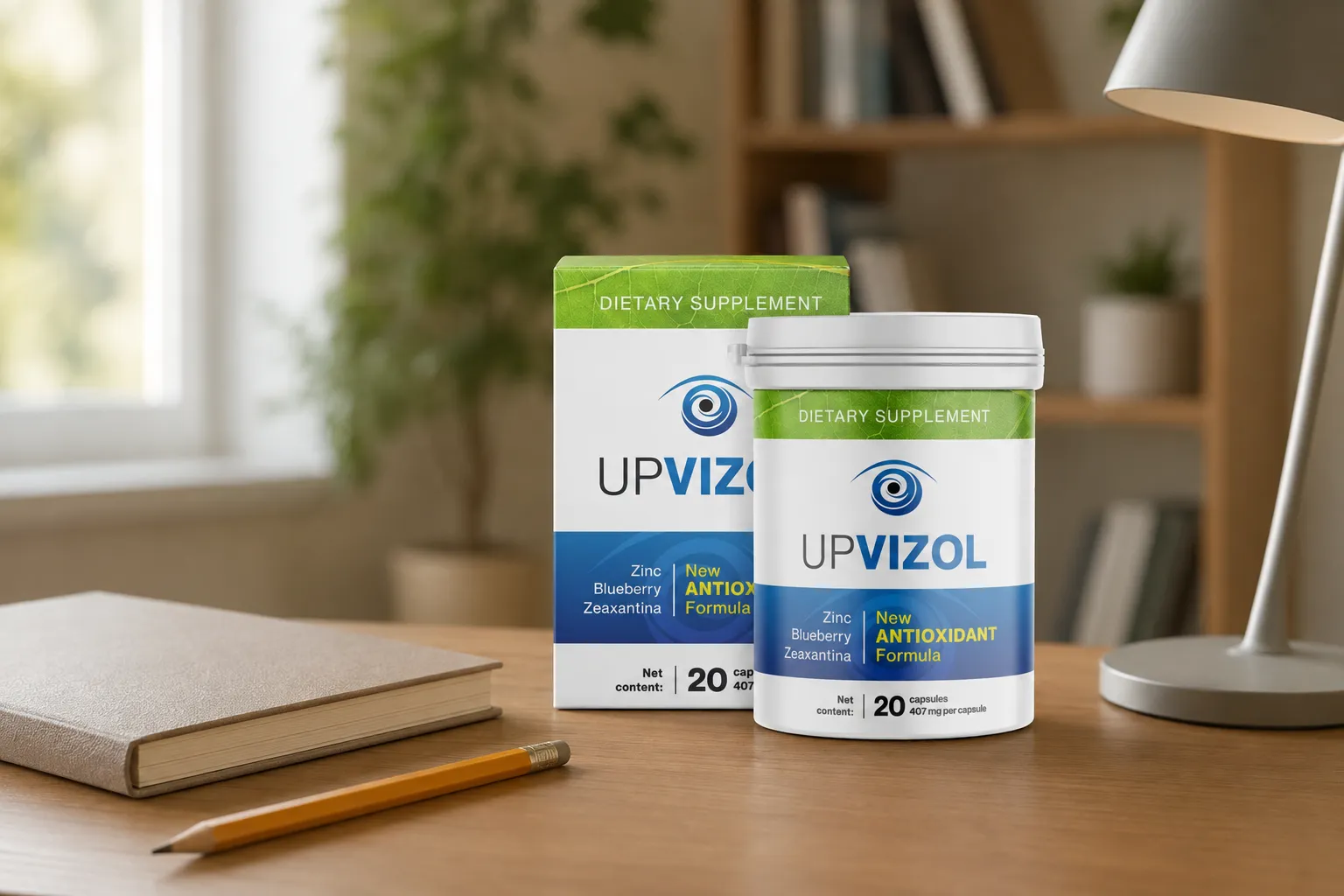
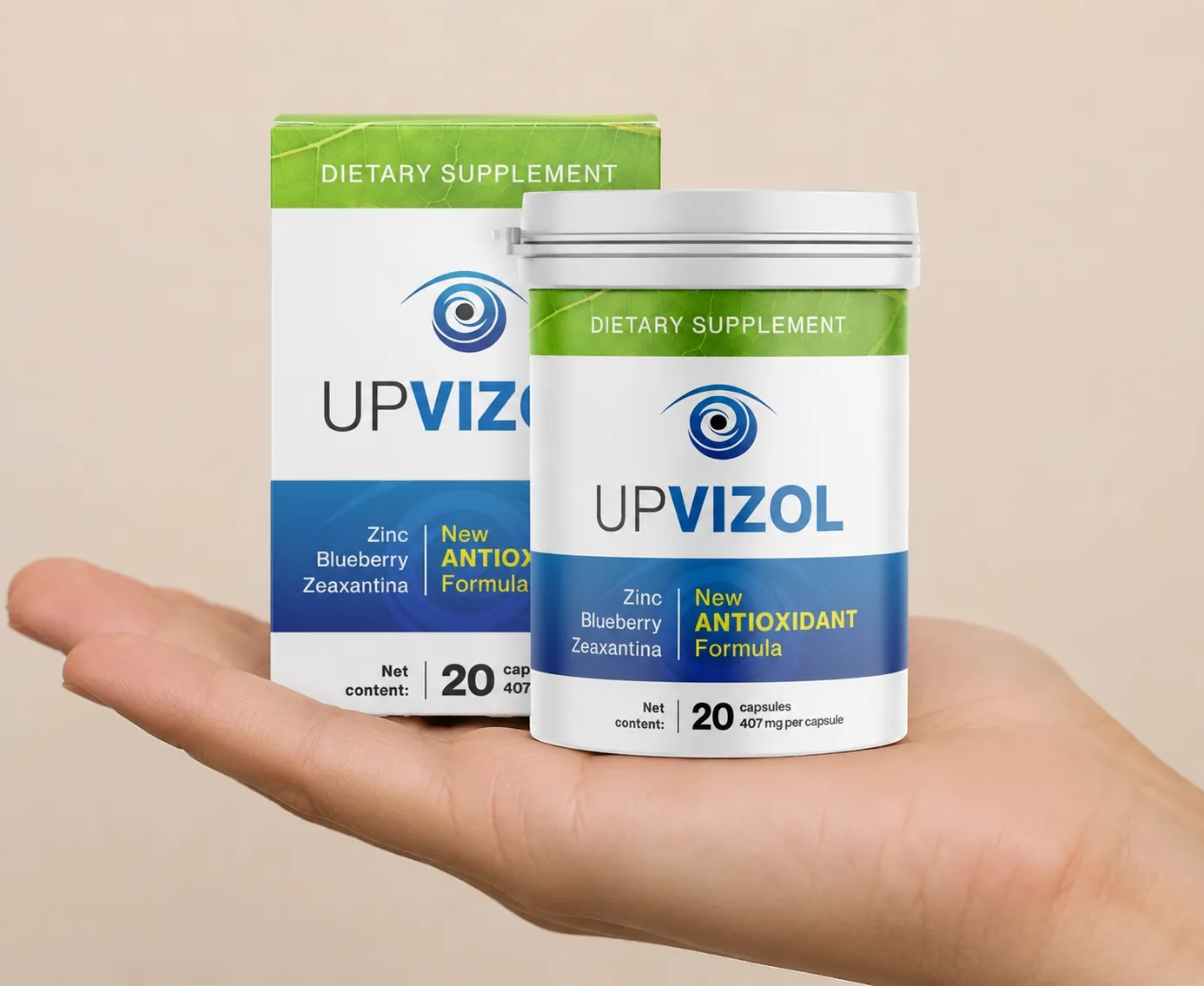
UpVizol is a dietary food supplement manufactured in capsule form that is marketed toward individuals looking to support their vision and overall eye health. According to the manufacturer, the product is aimed at those experiencing eye fatigue or seeking to maintain visual clarity. It is important to note that this is a food supplement intended to complement the diet, and it is not a medical treatment or a cure for any ocular disease.
Our assessment
When evaluating UpVizol, it is crucial to separate the established nutritional science of its individual ingredients from the bold marketing claims made by the manufacturer. The formulation contains several components that are genuinely respected in the field of nutrition, such as lutein, zeaxanthin, and carrot extract. These substances are widely discussed in scientific literature for their antioxidant properties and their role in supporting the macular pigment of the eye. However, the presence of these ingredients does not validate the manufacturer's claim that the product can prevent structural eye pathologies like myopia or astigmatism. Such refractive errors are primarily dictated by genetics and the physical shape of the eyeball and cornea, which absolutely cannot be altered, prevented, or cured by consuming a dietary supplement.
Furthermore, the lack of transparency regarding the exact dosage of each ingredient makes it difficult to assess the true potential of the supplement. Without knowing the specific milligrams of lutein or blueberry extract per capsule, consumers cannot determine if the product provides a clinically relevant amount of these nutrients. UpVizol must be viewed strictly as a dietary food supplement, which means it is intended to add nutritional value to a standard diet, not to act as a medicine. It cannot replace prescription eyewear, corrective lenses, or professional medical treatments prescribed by a licensed ophthalmologist.
Consumers should approach this product with realistic expectations, understanding that while antioxidants are beneficial for long-term cellular health and may help mitigate general oxidative stress associated with eye fatigue, they are not a magical cure for declining eyesight. Anyone experiencing significant changes in their vision, chronic eye strain, or symptoms of ocular disease should prioritize a comprehensive eye examination with a medical specialist rather than relying solely on an over-the-counter botanical supplement.
Strengths
- Contains well-researched, widely recognized botanical ingredients like lutein, zeaxanthin, and carrot extract that are traditionally associated with eye health.
- The capsule form offers a convenient and straightforward method of consumption compared to mixing powders or brewing herbal teas.
Weaknesses
- There are no independent clinical studies or verified trials conducted specifically on the UpVizol formula to prove its overall efficacy.
- The exact amounts, dosages, and concentrations of the individual ingredients within the capsules are completely not disclosed.
- The manufacturer's claims regarding the prevention of structural medical conditions like myopia and astigmatism are highly exaggerated for a dietary supplement.
- The product is sold online through the vendor only, meaning customers cannot consult a local pharmacist about the physical product before purchasing.
Composition
- Chia seed powder
- Chamomile
- Zeaxanthin and Lutein
- Moringa extract
- Munya extract
- Carrot extract
- Blueberry extract
- Chia seed powderChia seeds are widely recognized for being rich in omega-3 fatty acids and antioxidants, which are generally discussed in nutritional science for supporting overall cellular health and reducing general oxidative stress.
- ChamomileCommonly consumed as a soothing herbal remedy, chamomile contains various antioxidants and flavonoids that are generally known to help calm the body and support healthy inflammatory responses.
- Zeaxanthin and LuteinThese are well-known dietary carotenoids that naturally accumulate in the retina of the human eye, and they are generally researched for their role in filtering harmful blue light and protecting the macula.
- Moringa extractMoringa is a nutrient-dense plant generally known to provide a high concentration of vitamins, minerals, and bioactive compounds that support general well-being and cellular nutrition.
- Munya extractAlso known as Andean mint, munya is traditionally used in South American herbal practices for its aromatic properties and its general antioxidant capacity.
- Carrot extractCarrots are famously rich in beta-carotene, a precursor to vitamin A, which is a generally established essential nutrient for maintaining normal vision and a healthy cornea.
- Blueberry extractBlueberries contain high levels of anthocyanins, which are widely studied antioxidants generally believed to support blood vessel health and traditional eye function.
How to use it
Because the specific intake course and daily dosage instructions are not stated by the vendor in the provided product details, users must follow the manufacturer's package insert. It is highly recommended to read the label carefully upon receiving the capsules to determine the correct number of capsules to take daily and whether they should be consumed with meals or a glass of water.
Background: understanding Eyesight
Human eyesight is a highly complex sensory process that relies on the precise coordination of the eye's anatomical structures, the optic nerve, and the brain's visual cortex. Light enters the eye through the cornea, passes through the lens, and is focused onto the retina at the back of the eye. The retina contains specialized photoreceptor cells known as rods and cones, which convert light into electrical signals. For this system to function optimally, the eye requires a constant supply of oxygen and specific nutrients to maintain cellular health and protect against oxidative damage. Factors such as aging, genetics, environmental stressors, and prolonged exposure to digital screens can significantly impact visual acuity and overall ocular comfort over time.
Nutritional science has long established that certain vitamins and dietary compounds play a vital role in maintaining normal vision. Vitamin A, for instance, is essential for the formation of rhodopsin, a light-sensitive protein in the retina. Deficiencies in this vitamin can lead to night blindness and other severe ocular issues. Additionally, the macula—the central part of the retina responsible for sharp, detailed vision—relies heavily on dietary carotenoids like lutein and zeaxanthin. These pigments act as natural filters, absorbing high-energy blue light and neutralizing free radicals generated by light exposure and cellular metabolism. A balanced diet rich in leafy greens, colorful vegetables, and omega-3 fatty acids is generally recommended by health professionals to support these natural defense mechanisms.
Beyond nutrition, lifestyle habits and regular medical check-ups are fundamental to preserving eyesight. The modern prevalence of digital devices has led to a massive rise in digital eye strain, characterized by dryness, fatigue, and temporary blurred vision due to reduced blink rates and continuous focusing at near distances. Optometrists and ophthalmologists advocate for practices such as the 20-20-20 rule—taking a 20-second break to look at something 20 feet away every 20 minutes—to alleviate this strain. Furthermore, structural refractive errors like myopia (nearsightedness), hyperopia (farsightedness), and astigmatism are dictated by the physical shape of the eyeball and cornea. These conditions require physical correction through glasses, contact lenses, or refractive surgery, highlighting the absolute importance of professional eye examinations in managing long-term visual health.
Who is this product for?
Worth a look for
- Individuals looking to add a source of lutein, zeaxanthin, and plant extracts to their daily dietary routine.
- People who spend long hours in front of screens and are seeking general nutritional support for their eyes.
- Adults who prefer taking their dietary supplements in a convenient capsule form.
Rather not suited for
- Anyone expecting a dietary supplement to cure or reverse structural eye conditions like myopia or astigmatism.
- Individuals with pre-existing medical eye conditions who have not yet consulted their ophthalmologist.
- Consumers who require strict transparency regarding the exact milligram dosages of every ingredient they consume.
Reviews: what to look out for
When browsing customer reviews for dietary supplements aimed at supporting eyesight, readers should maintain a healthy degree of skepticism and look for realistic expectations. Because individual diets, genetics, and baseline eye health vary dramatically from person to person, subjective reports of clearer vision or less fatigue can be heavily influenced by the placebo effect or simultaneous lifestyle changes, such as reducing daily screen time. Genuine reviews tend to focus on the ease of swallowing the capsules, the absence of negative side effects, or subtle, gradual improvements in general eye comfort, rather than claiming miraculous overnight cures.
Conversely, consumers should be highly wary of user testimonials that claim a supplement completely eliminated their need for prescription glasses or cured a diagnosed medical condition like cataracts or severe astigmatism. Such dramatic medical outcomes are not scientifically plausible for a food supplement. By filtering out the extreme praise and focusing on moderate, nuanced feedback, prospective buyers can form a much more accurate picture of what a botanical and vitamin-based product can realistically achieve as part of a broader health regimen.
Frequently asked questions
Is UpVizol a medicine for curing eye diseases?
No, UpVizol is strictly a dietary food supplement. It is not intended to diagnose, treat, cure, or prevent any medical conditions or structural eye diseases.
How much does UpVizol cost?
The price shown on our page for the supplement is 49 USD.
How many capsules should I take each day?
The daily intake course is not stated in the provided vendor materials, so you must carefully follow the manufacturer's package insert once you receive the product.
Can this supplement fix my astigmatism or myopia?
No. Although the manufacturer claims it prevents these conditions, myopia and astigmatism are physical refractive errors of the eye that require prescription glasses, contact lenses, or refractive surgery to properly correct.
What are the main active ingredients in this formula?
The product contains chia seed powder, chamomile, zeaxanthin and lutein, moringa extract, munya extract, carrot extract, and blueberry extract.
Are the exact ingredient amounts disclosed on the website?
No, the specific milligram amounts or concentrations of the individual ingredients are not disclosed in the provided product facts.
Is it safe to take alongside my prescription eye drops?
If you are currently using prescription medications or medicated eye drops, you should consult your ophthalmologist or primary care physician before adding any new dietary supplement to your daily routine.
Editorial verdict
UpVizol may be worth a look for adults who are interested in supplementing their daily diet with plant-based antioxidants, lutein, and zeaxanthin to generally support their nutritional intake, provided they are comfortable with a price point of 49 USD and undisclosed ingredient dosages. However, it is not recommended for individuals who are seeking a medical cure for declining vision, those diagnosed with specific ocular diseases, or anyone expecting a supplement to correct structural issues like myopia or astigmatism. Ultimately, it serves as a supplementary botanical blend rather than a substitute for professional ophthalmic care, corrective lenses, or evidence-based medical treatments.
🛒Where can you buy UpVizol?
You can order UpVizol online only directly from the manufacturer via the official vendor page — that is the only way the current price and the original guarantee apply.
The product is usually not stocked in local pharmacies or drugstores; check the current price and availability with the vendor.
 Check availability
More products
 OptiPlaxEyesight · USD79
 SeroBurnWeight control · USD59
 CongelumJoints · USD49
Food supplements are not a substitute for a balanced diet or medical advice. If you have health concerns, please consult a doctor.
All products in «Wellness Shop»
Advertising/affiliate notice: this article contains a partner link. We may earn a commission on purchases made through it.