Synaptigen
Read our factual 2026 review of Synaptigen. Discover the manufacturer's claims, the 79 USD price, and why the missing ingredient list is a concern.
Synaptigen is a dietary supplement categorized under memory support, aimed at individuals looking to maintain their cognitive function as they age. While the exact physical form is not explicitly stated in the provided specifications, the manufacturer's marketing suggests a chewable format. It is marketed toward adults who are concerned about age-related cognitive changes and are seeking alternative nutritional support.
Our assessment
Assessing the claims of Synaptigen requires a highly critical perspective, particularly because the manufacturer makes exceptionally bold statements about its capabilities. The headline claim, which suggests that users can chew on this probiotic herb to bring back years of lost memories, is a severe overstatement of what any dietary supplement can legally or biologically achieve. Synaptigen is a food supplement, not a medicine, and it cannot cure, treat, or reverse medical conditions such as dementia, Alzheimer's disease, or clinically diagnosed amnesia. Dietary supplements are intended merely to add nutritional value to a normal diet, not to act as therapeutic interventions for profound cognitive decline. The promise of restoring years of lost memories is not supported by established nutritional science, and consumers should approach such marketing rhetoric with a high degree of skepticism.
Furthermore, a significant issue with Synaptigen is the complete lack of transparency regarding its formulation. The composition of the product is entirely undisclosed in the provided vendor facts. While the marketing copy vaguely references a probiotic herb, it is impossible to evaluate the safety, efficacy, or potential interactions of the product without a detailed ingredient list. Probiotics are generally known for supporting gut health, and the gut-brain axis is a legitimate area of scientific research; however, without knowing the specific bacterial strains, herbal extracts, or their respective dosages, no scientific assessment can be made. Consumers are essentially purchasing an unknown proprietary blend.
Ultimately, Synaptigen cannot replace professional medical advice, a balanced diet, or prescribed cognitive therapies. Anyone experiencing significant memory loss or cognitive impairment should consult a neurologist or a primary care physician rather than relying on an undisclosed nutritional supplement. A healthy lifestyle, including cardiovascular exercise, mental stimulation, and proper sleep, remains the most evidence-based approach to supporting long-term brain health.
Strengths
- Priced clearly at 79 USD on our page, allowing for straightforward budget considerations.
- Marketed specifically for memory support, which targets a common concern among aging adults.
- The suggested chewable format may be convenient for individuals who have difficulty swallowing traditional capsules or tablets.
Weaknesses
- The exact composition and ingredient list are completely undisclosed by the manufacturer.
- Efficacy claims regarding the restoration of lost memories come entirely from the manufacturer and lack independent verification.
- There are no independent clinical studies provided to substantiate the claims made about this specific product.
- The bold claim of bringing back years of lost memories is highly unrealistic for a dietary supplement.
Composition
The manufacturer does not publish a full declaration.
How to use it
Because the specific intake course and daily dosage instructions are not stated by the vendor, users must strictly follow the manufacturer's package insert for guidance. Since the promotional wording mentions to chew on the product, it is likely a chewable supplement, but consumers should verify the exact instructions, timing, and frequency on the physical product label before beginning any supplementation routine.
Background: understanding Memory
Memory is a complex neurological process that involves the encoding, storage, and retrieval of information within the brain. It is fundamentally reliant on neuroplasticity—the brain's remarkable ability to reorganize itself by forming new neural connections throughout a person's life. The hippocampus, amygdala, and prefrontal cortex play critical roles in how memories are processed and retained. As people age, it is entirely normal to experience mild changes in cognitive function, such as taking slightly longer to recall a name or misplacing everyday items. These minor lapses are generally a natural part of the aging process and do not necessarily indicate a severe underlying condition. However, maintaining optimal brain health requires proactive lifestyle choices that support vascular health and reduce systemic inflammation, both of which are heavily linked to cognitive longevity.
A multitude of lifestyle factors directly influence memory and overall cognitive performance. Diet is one of the most prominent pillars of brain health; nutritional patterns like the Mediterranean diet, which is rich in omega-3 fatty acids, antioxidants, and essential vitamins, have been extensively studied for their neuroprotective benefits. Sleep is equally critical, as the brain utilizes deep sleep stages to consolidate short-term memories into long-term storage and to clear out metabolic waste products, such as beta-amyloid plaques. Chronic stress and elevated cortisol levels, on the other hand, can physically shrink the hippocampus over time, severely impairing memory formation and emotional regulation. Therefore, stress management techniques, regular cardiovascular exercise, and continuous mental stimulation—such as learning a new language or playing a musical instrument—are widely recommended by neurologists to build cognitive reserve.
In the realm of dietary supplementation, the market for memory support is vast and heavily commercialized. Many consumers turn to vitamins, herbal extracts, and increasingly, probiotics, driven by emerging research on the gut-brain axis. The gut microbiome produces neurotransmitters and interacts with the central nervous system, leading to hypotheses that balancing gut flora might positively impact cognitive function. Nevertheless, while nutritional science continues to explore these connections, no dietary supplement can replicate the profound benefits of a holistic, healthy lifestyle, nor can supplements serve as a substitute for pharmaceutical interventions when dealing with pathological memory disorders.
Who is this product for?
Worth a look for
- Adults looking for a chewable alternative to traditional memory support capsules.
- Individuals interested in exploring the connection between probiotics, herbs, and cognitive wellness.
- Consumers who are comfortable purchasing dietary supplements that rely solely on manufacturer claims.
Rather not suited for
- Individuals who require full transparency regarding ingredient lists and precise dosages before consuming a supplement.
- Anyone experiencing severe memory loss or symptoms of dementia, who should consult a medical professional immediately.
- People with known food allergies who cannot risk consuming an undisclosed proprietary blend.
Reviews: what to look out for
When reading user reviews for memory-focused dietary supplements, consumers should exercise a high degree of skepticism and maintain realistic expectations. Cognitive changes are inherently subjective and notoriously difficult to measure without clinical testing. Consequently, many online testimonials may be heavily influenced by the placebo effect, where a user feels their memory has improved simply because they expect the supplement to work. Furthermore, reviews that claim miraculous recoveries of long-lost memories or the complete reversal of cognitive decline should be viewed as highly suspect, as these outcomes are biologically implausible for a standard food supplement.
It is also important to recognize that individual responses to nutritional supplements vary wildly based on a person's baseline diet, stress levels, and overall health. A positive review from one user does not guarantee the same outcome for another. Always look for reviews that discuss practical aspects of the product—such as the taste of the chewable tablet, ease of use, or customer service experiences—rather than relying on them as definitive proof of medical efficacy.
I used to walk into a room and completely forget why I was there. I first laughed it off, but soon enough, it was happening so often that it started to scare me. After taking this formula for a few weeks, I noticed a huge difference. I felt sharper, more in control, and even my husband said I seemed 'more like myself.' I'm remembering names, appointments, and little things that used to slip my min
Sarah M. from Austin, TXMy kids used to joke that I had a 'grandpa brain' because I was always misplacing my phone, losing my keys, and even mixing up their names. Honestly, it was frustrating, and I worried it would only get worse. A buddy recommended this formula, and within weeks, I felt the change. My thoughts are clearer, I don't second-guess myself mid-conversation, and best of all, I haven't lost my keys in months
Mark R. from Denver, COI've always been the one in my family to remember birthdays and appointments. But as soon as I hit 55, I was struggling to keep up. I even forgot my best friend's birthday, which had never happened before! That's when I knew I needed to do something. This formula has been a game-changer, I swear. My mind feels clearer, and I have this sense of confidence again, like I can rely on my memory instead
Linda T. from Nashville, TN
Customer feedback as supplied by the vendor.
Frequently asked questions
What exactly is Synaptigen and what is it used for?
Synaptigen is categorized as a memory-focused dietary supplement. According to the manufacturer, it is a chewable probiotic herb designed to support cognitive recall and allegedly bring back lost memories, though it is important to remember that it is a food supplement, not a medical treatment.
What ingredients are used in the Synaptigen formula?
The specific composition and ingredient list for Synaptigen are not disclosed by the manufacturer in the provided product details. The marketing material only vaguely mentions a probiotic herb, but no precise botanical names, bacterial strains, or dosages are provided.
How should I take this supplement for the best results?
The exact intake course is not stated in the vendor details. Therefore, you must follow the manufacturer's package insert for precise instructions regarding daily dosage, timing, and whether it should be taken with meals.
Can Synaptigen cure memory loss or dementia?
No. Synaptigen is a food supplement and not a medicine. It cannot cure, treat, or prevent any medical conditions, including clinical memory loss, dementia, or Alzheimer's disease. Any claims of restoring years of lost memories are strictly according to the manufacturer and should not be viewed as a medical promise.
Is there any scientific proof that this product works?
There are no independent studies, clinical trials, or test scores provided for this specific product. All claims regarding its efficacy in supporting memory come directly and solely from the manufacturer's marketing materials.
How much does Synaptigen cost?
The price shown on our page for Synaptigen is 79 USD. Consumers should check the official vendor website for any potential updates to pricing, though we do not track external discounts or ongoing promotions.
Editorial verdict
Synaptigen might be worth a look for curious individuals who have 79 USD of disposable income and are interested in exploring novel, chewable dietary supplements marketed for cognitive support, provided they maintain strictly realistic expectations. However, it is definitively not recommended for anyone suffering from genuine, age-related cognitive decline or clinical memory disorders, as the product is not a medicine and cannot reverse such conditions. Furthermore, because the manufacturer completely fails to disclose the active ingredients and their dosages, consumers who require absolute transparency regarding what they ingest—especially those with severe food allergies or those taking prescription medications—should entirely avoid this product until a full composition list is made publicly available.
🛒Where can you buy Synaptigen?
You can order Synaptigen online only directly from the manufacturer via the official vendor page — that is the only way the current price and the original guarantee apply.
The product is usually not stocked in local pharmacies or drugstores; check the current price and availability with the vendor.
Check availabilityMore products
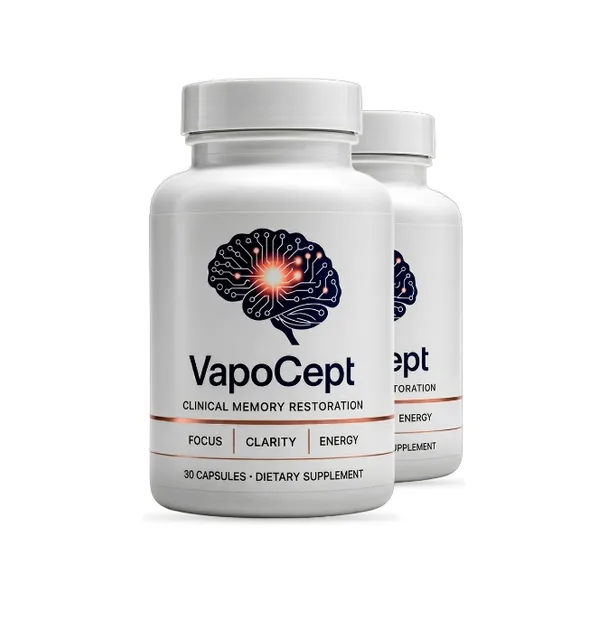 VapoCeptMemory · USD79
 MemoPrylMemory · Check the price
 TrimorynMemory · Check the price
Food supplements are not a substitute for a balanced diet or medical advice. If you have health concerns, please consult a doctor.
All products in «Wellness Shop»
Advertising/affiliate notice: this article contains a partner link. We may earn a commission on purchases made through it.